

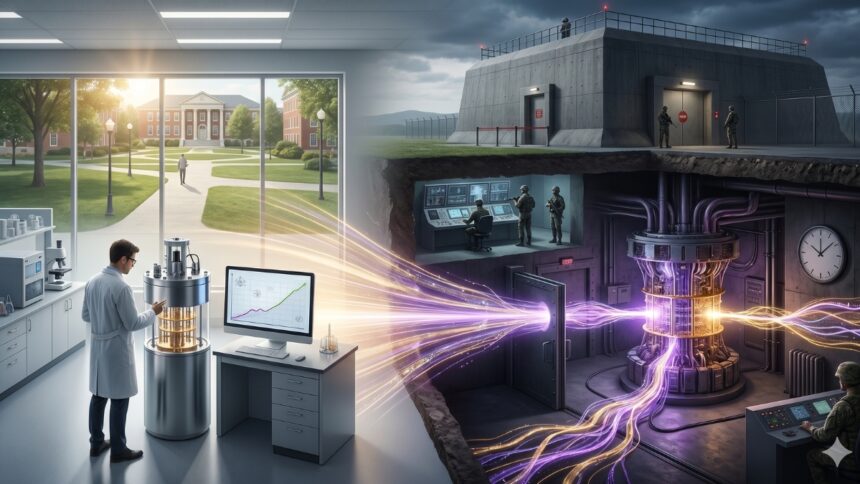
Project Eleven, a research firm specializing in post-quantum cryptography as applied to the cryptocurrency ecosystem, has warned that the latest milestone in the development of cryptography-related quantum computers (CRQC) will be classified as a state secret.
According to a report on quantum threats to blockchain published by the company on May 6, 2026. The quantum industry is moving toward concealing cutting-edge attack technology plans. .
The organization quantifies the quantum risks of Bitcoin and stablecoins in the same document, adding variables to the post-quantum discussion that it believes are critical to industry planning. Deliberate state opacity about the actual status of quantum development.
Unlike previous stages of technology development, where milestones were published in academic journals or presented at conferences, the company argues that the eventual progress towards operationalization of the CRQC will follow the logic of national intelligence rather than the dissemination of open science.
Project Eleven describes the pattern of quantum progress as a trajectory of “doing nothing, then everything at once.” That is, years of slow progress followed by a sudden convergence of improvements in physical fidelity, error correction, and algorithmic efficiency.
In this sense, the words of physicist Hartmut Neben are quoted to explain this dynamic relationship. In our subjective experience of quantum progress, nothing seems to happen until the world suddenly changes..
The company bases its analysis on the latest public advances, such as those achieved by Google Quantum AI, as well as the historical behavior of military technology. Historically, the most sensitive developments have been classified and often remain secret for years before becoming public.
Therefore, the report does not claim that there is concrete evidence that secret advances already exist that will accelerate Q-Day, but rather bases its inferences on the observable trajectory of quantum progress and the logic of the nation-state. They prioritize this kind of strategic technology secrets.
There is a consensus on this among the vast majority of the country’s cybersecurity experts. Intelligence agencies and analysts (including reports from the Global Risk Institute, the NSA, and think tanks) assume that the government: hide the most powerful advancescategorize those that confer cryptographic or intelligence benefits.
Opacity as a systemic risk factor
Project Eleven confirms state secrets Eliminates the possibility of the private sector anticipating Q-day based on public signals.
For the company, a combination of improvements, including increased physical fidelity, more efficient error-correcting codes, and algorithmic innovations, could close the gap in months rather than years, barring early warning from the private and academic sectors.
This possibility of intentional misinformation has come to the fore during the ongoing debate over the Q-Day deadline.
As documented by CriptoNoticias, figures such as Adam Back and Samson Moe claim that quantum capabilities to break 256-bit encryption are more than a decade away. However, Project Eleven has no objection to its leeway. The focus of the warning is not when Q-Day will arrive. However, state opacity makes any private sector estimates structurally incomplete..
The company added that the actors with the strongest incentives to develop CRQC – states with advanced intelligence capabilities – also have the greatest incentive not to disclose their progress. In this scenario, Project Eleven claims to be preserving Q-Day. It could happen without the industry receiving any signals. Before justifying acceleration of migration plans.
Project Eleven concludes that waiting for public warning signals to initiate a post-quantum transition is an unviable strategy. Because if the latest advances are kept secret, the warnings will never arrive.
(Tag translation) Bitcoin (BTC)


