


Traditional financial giants Charles Schwab and Citadel Securities are both considering entering prediction markets, each individually considering how they want to get involved in the fast-growing sector.
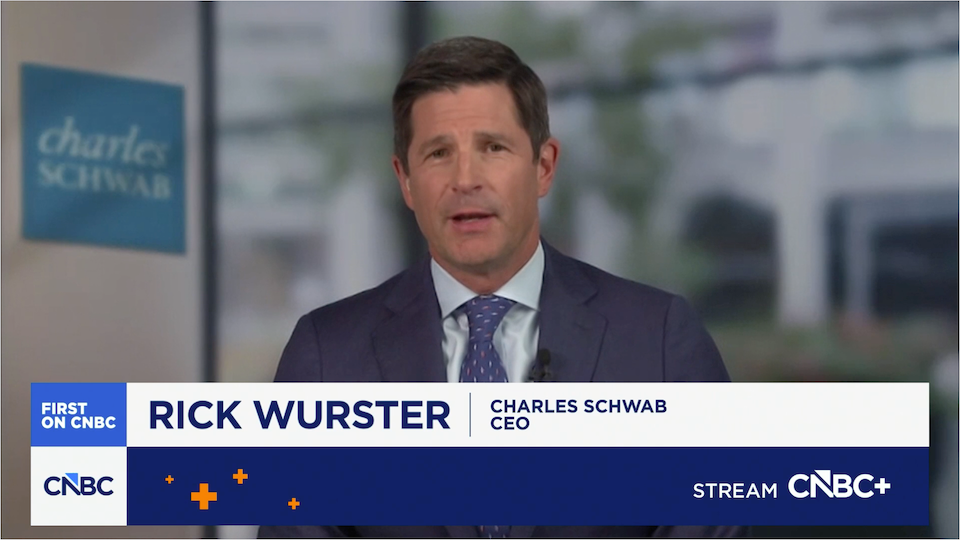
“I think it’s very likely that we’ll have a prediction market at some point,” Rick Wolster, CEO of banking and investment giant Schwab, told investors on a conference call Thursday.
When he recently asked a group of Schwab customers about prediction markets, he said they weren’t “very interesting,” but added that the company is “taking a serious look at it and it’s a very easy area for us to offer.”
Prediction markets such as the popular Karshi and Polymarket have exploded in usage over the past few months, with both platforms posting a record total monthly trading volume of $23.6 billion in March, according to Token Terminal.
But Kalshi, Polymarket and other prediction market platforms have also drawn the ire of some US state regulators and have been accused in court of offering unlicensed sports betting.
Some federal lawmakers have also vowed to crack down on prediction markets, arguing they aren’t doing enough to root out insider trading.
Wurster said Schwab may move away from allowing bets on areas such as sports, politics and pop culture as it aims to position itself as a partner in building long-term wealth.
“Any prediction market that doesn’t align with that is not something we want to pursue,” he said. “If you look at the statistics about the success of gamblers, they’re not that strong and people generally lose money.”
Citadel ‘keeps an eye’ on prediction markets
Meanwhile, Citadel Securities President Jim Esposito said Thursday at the Semaphore conference in Washington, D.C., that the firm is “absolutely monitoring” developments in the prediction market.
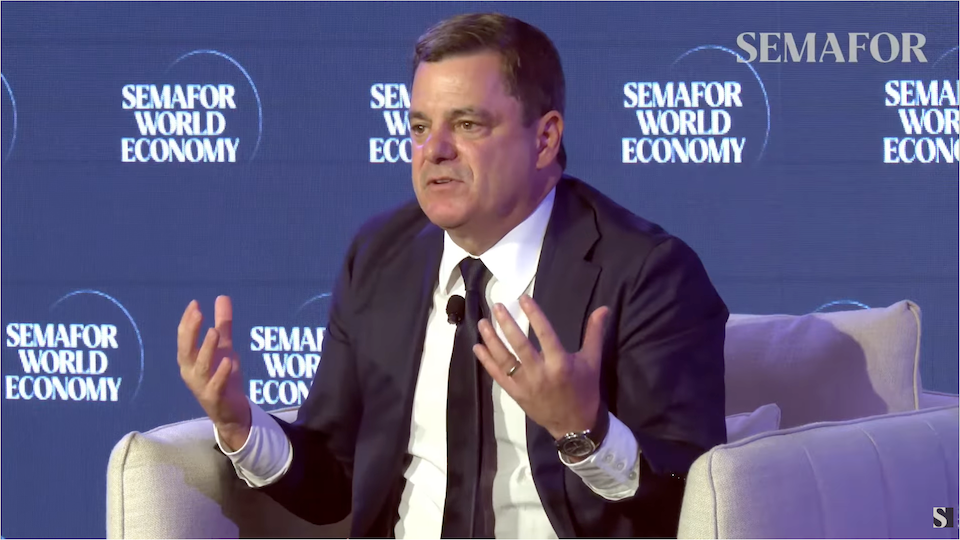
“We’re not there yet. There’s not a lot of liquidity,” he said, but the market is likely to “expand rapidly” and it’s “certainly possible” that market-making companies could potentially consider getting involved.
Related: Democrats ask CFTC chairman about insider trading in prediction markets
Esposito said Citadel “isn’t really focused on sports at this point. I don’t think we’re going to be in that market,” but said it has expressed interest in some event deals.
He added that Citadel’s retail clients and institutional investors may use some event contracts, such as election contracts known to move markets, to hedge their investments.
“This is going to be some of the biggest risks that investors have to deal with in their portfolios,” Esposito said. “I think there is a good use case and industrial logic in that there is a clear and well-defined way to hedge certain risks.”
magazine: Should users be allowed to bet on war and death in prediction markets?


