

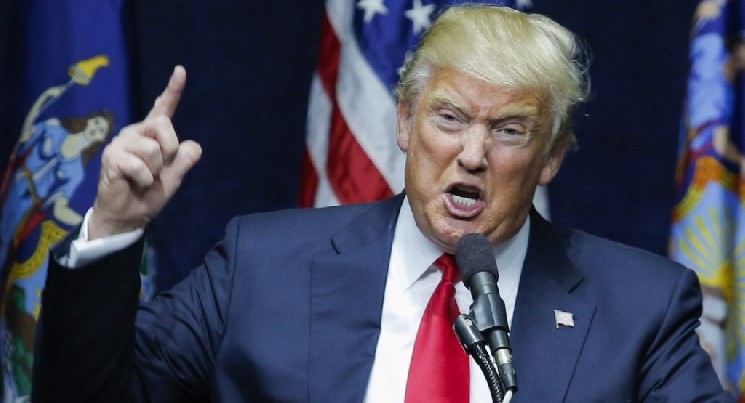
US President Donald Trump, in a statement on Iran, suggested that diplomatic talks were underway and insisted that Tehran’s government hopes to reach a deal.
“We are negotiating with Iran,” Trump said, claiming that Iran was “virtually begging for a deal.” However, he also warned of the possibility of new military attacks against Iran, adding that a decision on Iran would be announced soon.
As geopolitical tensions rise, notable developments are also occurring on the NATO front. The alliance is reportedly considering the possibility of a mission to ensure safety of navigation in the Strait of Hormuz if maritime traffic is suspended until July. However, it is stated that there is still no complete agreement among NATO member states on this issue. Some countries support intervention, while others oppose further involvement in conflicts related to Iran.
Related news How long will this trend continue for Bitcoin? Analysts have outlined two scenarios, both pointing to a single date
Uncertainty surrounding the Strait of Hormuz, one of the world’s most important energy transit points, continues to put pressure on energy markets. Oil and LNG prices are rising while concerns about global economic growth grow. In particular, the view that inflation could accelerate again due to rising energy costs has dampened market risk appetite.
On the macroeconomic front, notable movements were seen in the US bond market. The 30-year Treasury yield rose to 5.18%, its highest level since 2007. Rising energy prices, rising fiscal deficits and weak expectations for fiscal reform contributed to the acceleration in global bond sales.
Market expectations regarding the US Federal Reserve’s interest rate policy are also beginning to change. Until now, expectations for interest rate cuts within the year had been prominent, but recent developments have led investors to factor in a scenario of “high interest rates for a prolonged period.”
*This is not investment advice.


