

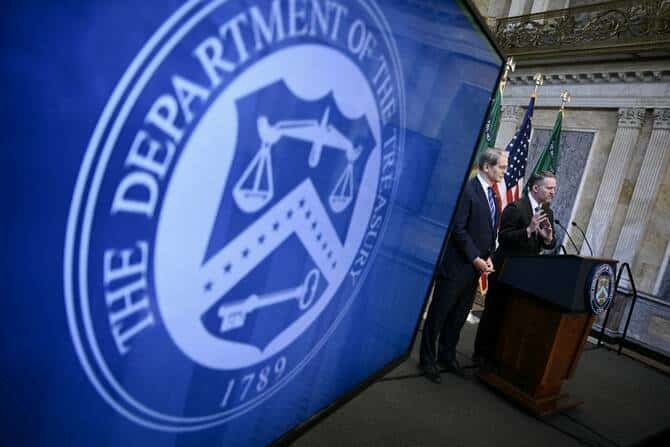
The U.S. Treasury Department has drawn a red line against foreign banks doing business with Iran, and two Chinese financial institutions are already feeling the strain.
On April 15, Treasury Secretary Scott Bessent issued a formal warning to countries doing business with Iran, making it clear that their financial institutions could face secondary sanctions from the United States. Two Chinese banks have reportedly received direct notice of sanctions if Iranian financial transactions are detected through their operations.
enforcement mechanism
The legal basis behind this move is Executive Order 14114, which expanded the secondary sanctions authority of the Office of Foreign Assets Control (OFAC). Secondary sanctions do not directly target the sanctioned country. They target everyone else who does business with that country.
If a bank in Beijing processes payments related to Iranian oil, the United States could cut it out of the U.S. financial system. It doesn’t matter that this deal never touched the continental United States.
There is already a chilling effect
Banks in several regions have already adjusted their actions in response to signals of increased enforcement. Financial institutions in Turkey, China, the United Arab Emirates, and Central Asia have delayed or outright refused payments related to sanctioned companies.
OFAC’s track record lends credence to these warnings. The agency issued fines to multiple non-U.S. persons in 2024, including one settlement valued at $1.1 million specifically for Iran sanctions violations.
Risk categories identified by the Treasury Department include maintaining accounts for blocked persons and facilitating the transfer of certain items designed to evade detection.


