


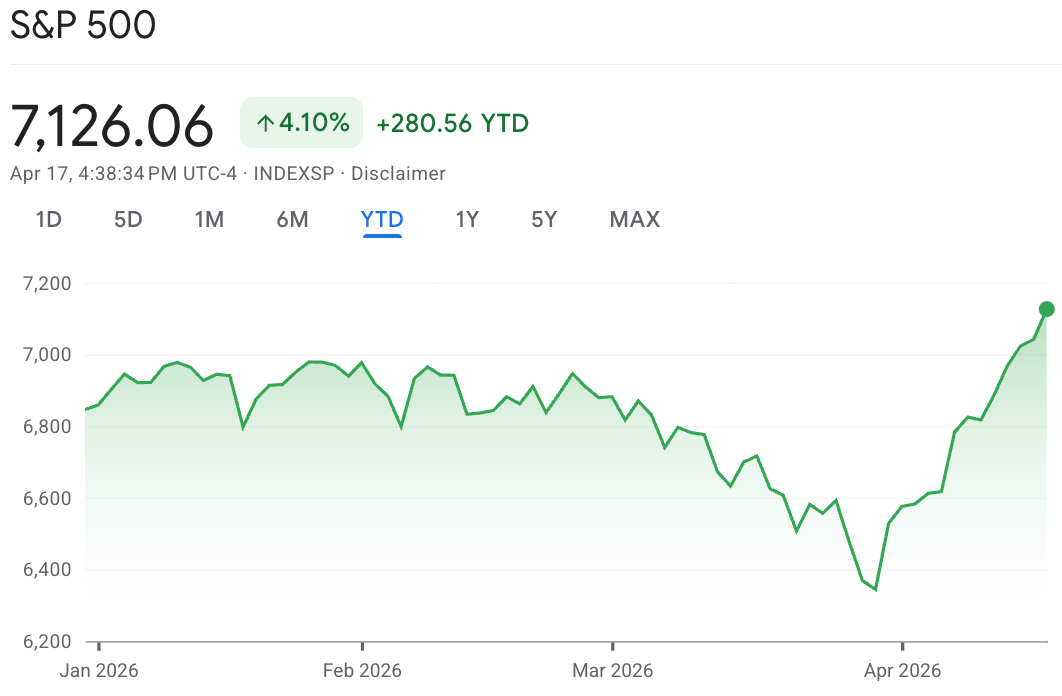
As the S&P 500 Index soars above 7,000 to a new all-time high, its chart is drawing striking comparisons to the dot-com bubble era.
Notably, the index closed Friday at 7,126, up 1.2% on the day and nearly 4% year-to-date.
The analysis shows that the current trajectory closely resembles the market cycle of the early 2000s, highlighting similarities between the dot-com boom and today’s AI-driven bull market.
This comparison contrasts the projected path from 2025 to 2029 with its peak from 2000 to 2003, when the index rose to about 1,570 before falling to about 830.
In the current cycle, the S&P 500 index has similarly rebounded toward the 7,200 region, reflecting a late rally, before potentially falling back toward 4,610 in a pattern that reflects a multi-year correction.
Comparison of AI and dot com
This comes as comparisons between the “dotcom bubble and the AI bubble” are gaining traction in the market, with both periods characterized by strong momentum, high valuations, and increased volatility near their peaks.
While this forecast is illustrative rather than predictive, it does highlight concerns that the market may be entering a late-cycle phase similar to the pre-recession run-up phase of the early 2000s.
Notably, the S&P 500 remains near all-time highs, led by technology and AI stocks, even as concerns about sustainability and focus remain.
Valuations remain high, with Shiller CAPE ratios of around 37 and 40, near historical extremes and near the peaks of the dot-com era.
During the tech boom of the late 1990s, Internet hype drove valuations to unsustainable levels despite low returns, and they fell nearly 50% over the next two and a half years.
Technology stocks now make up an even larger portion of the index, with companies like Nvidia (NASDAQ: NVDA) leading the charge, with the top stocks accounting for about a third, driven by AI enthusiasm.
But revenue growth is strong, with Q1 2026 results showing double-digit gains and full-year estimates of nearly 17%. Unlike the dot-com era, today’s market leaders are generating significant profits and cash flow, and forward-looking valuations remain below the extreme $2,000s.
On the other hand, high concentration and generous valuations leave little room for disappointment, even if AI growth slows or economic conditions change.
While some warn of a decline or correction in long-term returns, others argue that this increase reflects true productivity gains.


