

Simply put
- Nine Texas residents sued MARA over noise, health effects, and loss of property value.
- The complaint details allegations of physical, psychological, and economic harm related to the site.
- Bitcoin miners are increasingly shifting their operations to AI and high-performance computing.
Nine Texas residents have sued MARA Holdings, alleging that the company’s Bitcoin mining facility in Granbury, Texas, produces continuous noise, vibrations, and low-frequency sounds that disrupt their daily lives and pose a health risk.
The complaint, first reported by Blockspace, was filed Friday in the Northern District of Texas and seeks more than $1 million in damages and a jury trial. The plaintiffs allege that the operation constituted a permanent private nuisance, made the homes uninhabitable and reduced property values.
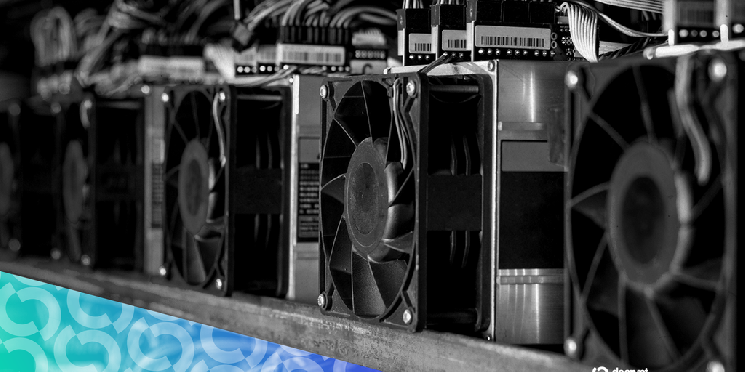
This filing adds to the legal challenges associated with the same site. Plaintiffs, several families who live about 0.01 mile from the site, claim the facility’s cooling system is running continuously, causing noise infiltration into their homes. Some people no longer open their windows or spend time outside and report vibrations inside their homes.
“This action arises out of MARA’s interference with the management and operation of Cryptomine, denying Plaintiffs the use and enjoyment of their property,” the complaint states. “The noise and vibrations caused by Cryptomine’s pervasive, persistent, and intolerably loud infrasound have interfered with Plaintiff’s use and enjoyment of the property and caused (a) personal injury that has been manifested as a direct result of Cryptomine’s operations.”
The complaint states that a variety of health effects are suspected, including insomnia, headaches, tinnitus, anxiety, and fatigue. Some residents report hearing loss and high blood pressure. Some cite changes in livestock behavior and decreased wildlife activity.
Plaintiffs allege that conditions worsened after MARA took over operation of the facility in 2024. In March 2024, MARA said in a statement that it was working with local communities and taking steps to address concerns on the ground.
“We are committed to being thoughtful and thoughtful members of our new community. We have been proactive in developing our strategy and seeking input from the community regarding our data centers,” MARA wrote. “Our goal is to keep everyone well-informed about our developments. Community feedback and partnership are critical throughout this process.”
The complaint includes four claims: personal nuisance, negligence, intentional infliction of emotional distress, and damages. Plaintiffs allege that MARA was aware of the impacts on nearby residents and failed to manage and mitigate the facility’s impacts.
MARA said it has taken steps to reduce noise levels at the site, including shutting down some air cooling units, building noise barriers and moving to liquid immersion cooling. Residents claim these measures have not solved the problem.
Lawyers for the plaintiffs and MARA Holdings did not immediately respond to requests for comment. Decrypt.
The incident comes as Bitcoin mining companies expand into artificial intelligence and high-performance computing, with companies repurposing mining sites for AI workloads and leveraging existing power and cooling infrastructure to secure new computing contracts as demand for data centers increases.
Opposition to this expansion is growing. Across the United States, large data centers are receiving complaints about noise, power demand, water use, strain on local resources, and more. Lawmakers in Maine recently passed a bill that would become the first state in the nation to pause construction of new large-scale AI data centers, citing concerns about the impact on local communities.


