

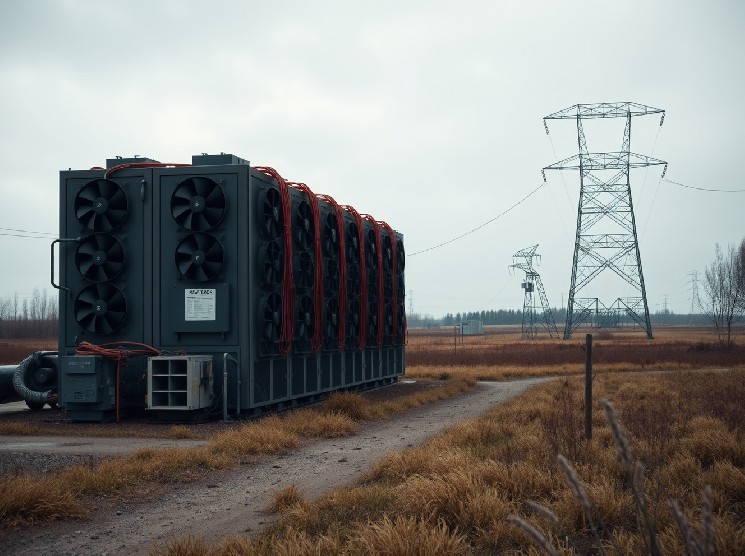
The Russian government has taken decisive steps to curb cryptocurrency mining in the Kursk border region, approving a bill banning the energy-intensive practice. The action, confirmed by a legislative committee and reported by Bits.media, was taken at the direct request of local energy suppliers suffering from aging power grids.
Energy shortage and infrastructure damage
Kursk said the ban was a necessary response to energy shortages exacerbated by damage to electricity infrastructure caused by Ukrainian military attacks. The region’s energy grid has faced repeated strikes, leading to long delays in repairs and unstable power supplies. The government aims to prioritize housing and critical infrastructure needs by shutting down crypto mining, which consumes huge amounts of electricity.
Impact on the virtual currency mining industry
The move marks one of Russia’s most direct regulatory actions against cryptocurrency mining within its borders. Russia had previously considered broader restrictions, but the targeted ban in conflict zones signals a pragmatic shift. For miners operating in Kursk, the ban could mean moving equipment to other regions with more stable energy grids or facing legal penalties. The decision also highlights the growing tension between the energy needs of the cryptocurrency sector and national infrastructure needs, particularly in regions affected by ongoing wars.
Wider context and market impact
Russia has played a key role in global cryptocurrency mining due to its cheap energy resources, but the war in Ukraine has put a strain on its energy infrastructure. The ban in Kursk could set a precedent for other border regions facing similar pressures. The global crypto market is already sensitive to regulatory changes, but could see some volatility as investors assess the possibility of expanded regulations in Russia. But for now, the ban is localized and driven by an emergency situation rather than a national policy shift.
conclusion
The Russian government’s approval of a ban on cryptocurrency mining in the Kursk border region is a direct response to energy shortages caused by infrastructure damage caused by the conflict. While this addresses immediate concerns about grid stability, it also suggests the challenge of balancing industrial cryptocurrency activity with national energy security in wartime. The move highlights the vulnerability of energy-intensive industries in conflict zones and could influence future regulatory approaches in other affected regions.
FAQ
Q1: Why does Russia ban cryptocurrency mining in Kursk?
The ban is aimed at preventing energy shortages caused by damage to electricity infrastructure from Ukraine’s military attacks from worsening. Local energy suppliers called for measures to prioritize electricity needs for homes and critical infrastructure.
Q2: Does this ban apply to all of Russia?
No, the ban is currently limited to the border regions of Kursk Oblast. This is a targeted measure to address regional power grid instability, not a nationwide policy.
Q3: What impact will this have on crypto miners in the region?
Miners operating in Kursk will have to shut down operations or relocate their equipment to other regions with stable energy supplies. The ban could also include legal penalties for violations, although specific enforcement details have not been fully disclosed.


