


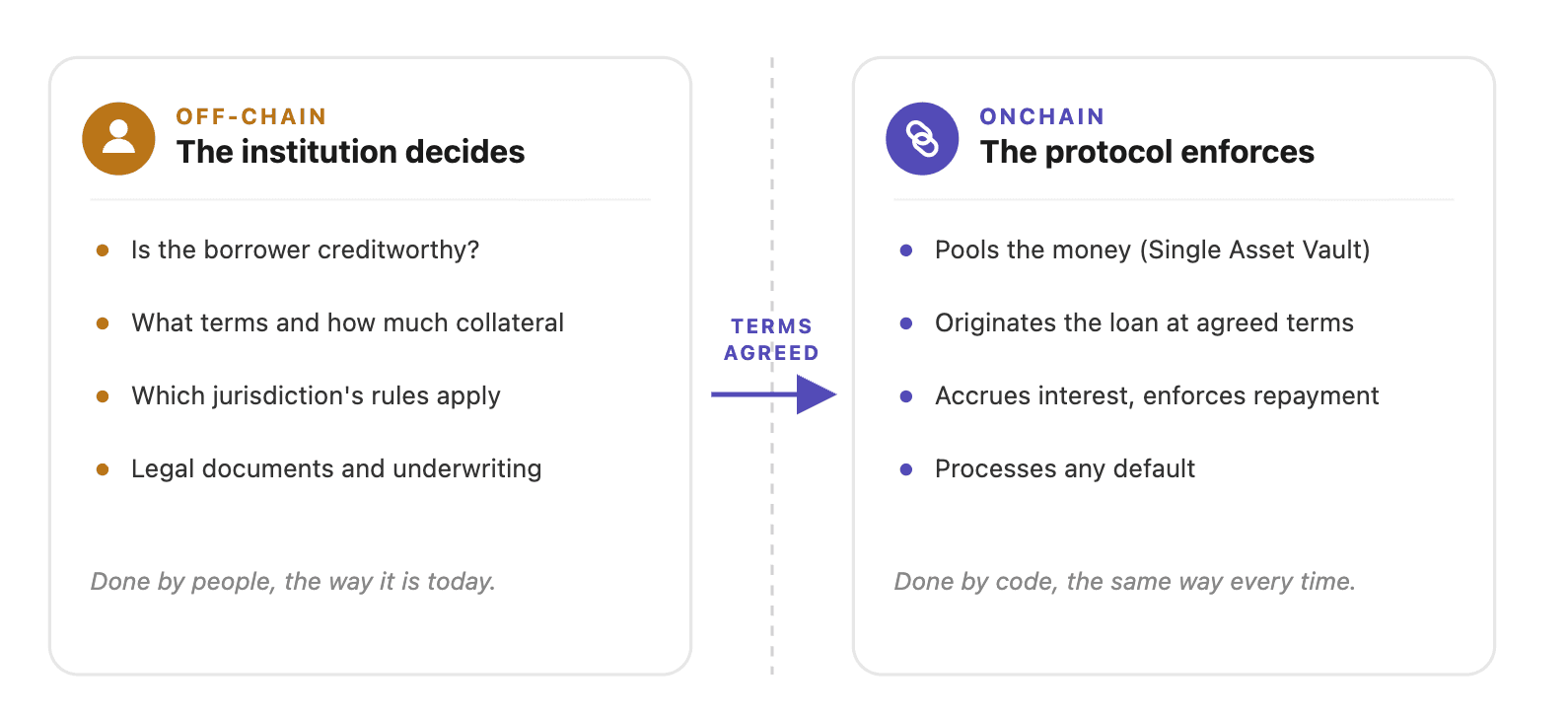
The protocol has two parts. Single Asset Vault pools a single asset, and the lending layer converts the pooled funds into loans with set terms. Both are still proposals, defined in technical drafts known as XLS-65 and XLS-66, and require approval by the validators operating the networks. These features can be tested on the development network, but are not actually usable.
The main use of Ripple is short-term funding. Payment companies holding reserves $RLUSDis a stablecoin pegged to the US dollar and may require cash to fund payments by the time cross-border payments are completed in two days.
Instead of drawing on bank lines of credit or selling assets, you can borrow against payments received through approved pools and repayments are automatically enforced.
this is another one $XRPthe most well-known tokens in the network, and from $RLUSDthis is one of the assets that such a system can finance. This is an institutional infrastructure rather than a product that retail users will touch directly.
But Ripple is also stepping into a crowded field. On-chain lending is already being carried out at scale through protocols such as Aave, Compound, Maple, and Clearpool, which collectively hold billions of dollars in deposits.
However, Ripple says these systems are built around crypto-native governance, and while the protocol can change risk rules through community votes, institutions cannot take on votes in advance. The solution is to keep the network public, rather than segregating it into private groups as some permission systems do, but modifying the lending mechanics at the base layer of the network so that the behavior doesn’t change under lenders.


