

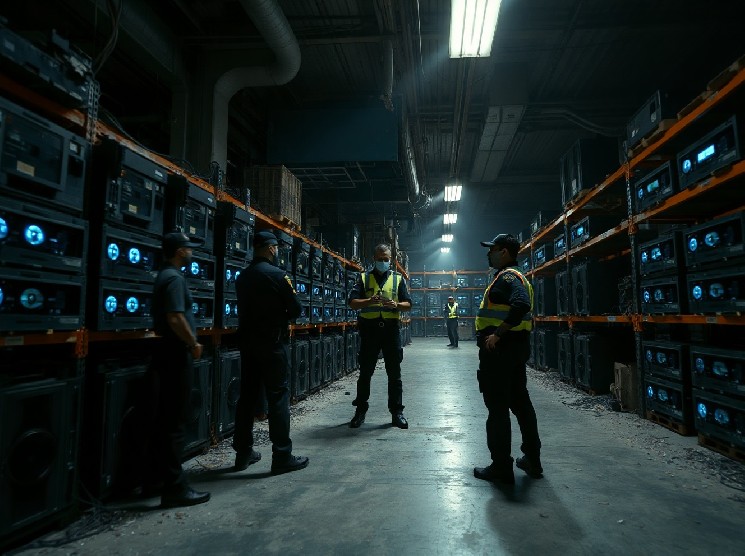
Authorities in Sao Paulo, Brazil, have teamed up with power company CPFL Pilatininga to dismantle a secret Bitcoin (BTC) mining operation that was illegally supplying electricity from the grid. Local media outlet LiveCoins reported that approximately 1,400 mining rigs were seized as a result of the raid.
Operation content and scale
A large amount of electricity was being consumed illegally at the site. Officials estimate that the electricity diverted to run the mining hardware is equivalent to the monthly electricity usage of about 2,000 average Brazilian households. This level of theft not only results in significant financial losses for power companies, but also places an undue strain on local power infrastructure.
The joint operation highlights a growing trend in regions with high energy costs, where crypto miners seek to reduce operating costs through illegal means. Mining Bitcoin is an energy-intensive process, requiring large amounts of electricity to power and cool the specialized computers that verify transactions and secure the network.
Widespread impact on the crypto mining industry
This seizure is not an isolated incident. Law enforcement agencies around the world, from Malaysia to the United States, are increasingly targeting illegal mining operations that circumvent metering systems. These crackdowns serve as a warning to the industry, emphasizing that while cryptocurrencies bring financial innovation, they do not exempt operators from local laws and regulations.
For formal miners, incidents like this highlight the importance of transparent operations and sustainable energy sourcing. The high profile of the raid in a major economic center like São Paulo could lead to increased regulatory scrutiny and more frequent inspections across Brazil.
Impact on local communities and the power grid
Energy theft on this scale can result in higher electricity bills for consumers and possible power outages in surrounding areas. The diverted electricity was initially intended for homes, businesses, and hospitals, but was instead consumed by a single unlicensed industrial operation. This case reinforces the need for utilities to invest in advanced monitoring systems to quickly detect abnormal consumption patterns.
conclusion
The demolition of this illegal Bitcoin mine in São Paulo is a significant enforcement action by Brazilian authorities. This serves as a clear example of the risks associated with unregulated cryptocurrency mining and the tangible consequences for those who seek to circumvent the law. As the cryptocurrency industry matures, such operations are likely to face increasing opposition from both utility companies and law enforcement.
FAQ
Q1: What is Bitcoin mining and why does it consume so much electricity?
Bitcoin mining is the process by which new Bitcoins are created and transactions are verified on the blockchain. Solving complex mathematical puzzles requires powerful computers, and this process consumes large amounts of electricity, especially when done on an industrial scale.
Q2: What are the legal consequences of operating an illegal mine in Brazil?
Individuals or entities caught operating illegal mining farms may face severe penalties, including charges of theft of public services, fraud, and environmental crimes. Penalties can include hefty fines, confiscation of equipment, and jail time.
Q3: How do authorities detect illegal electricity use for mining?
Utilities and law enforcement agencies often collaborate using data analytics to identify unusual spikes in power consumption that do not correspond to typical residential or commercial uses. In some cases, a physical inspection or information from the public can lead to a discovery.


