

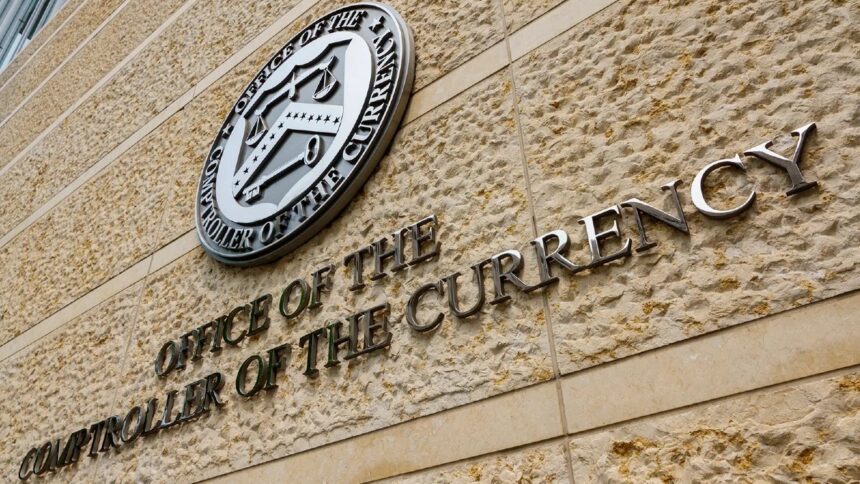
BlackRock has taken a position on draft regulations submitted by the U.S. Office of the Comptroller of the Currency (OCC), opposing the organization’s proposed 20% cap on tokenization reserves for issuers of stablecoins regulated under the GENIUS Act.
In a letter published on May 1, the wealth management giant claims the restrictions are unnecessary and “arbitrary.” In his opinion, the real risk of an asset does not depend on whether it is tokenized or not, but on its liquidity, tenor, and credit quality.
BlackRock said the caps in the proposed regulations would significantly limit the growth of its BUIDL funds. This is already the largest tokenized US government bond fund. Supports approximately 90% of stablecoins It offers services such as JupUSD and USDtb and manages over USD 2.6 billion in assets.
Therefore, we recommend that the OCC adopt it. Risk-based approach instead of a fixed thresholdwhich also opens up the possibility of further diversification of reserves.
In that sense, BlackRock supports Option A of the proposal, as it only requires that reserves be well diversified to manage credit, liquidity, interest rate and price risks. This alternative allows you to “flexibly and autonomously” meet the following quantitative requirements:
- Up to 20% of tokenized assets as stablecoin reserves.
- A minimum of 10% of daily liquidity (site deposits or FED balances).
- Weekly liquidity minimum of 30% (assets available in 5 business days).
- Up to 40% of the reserves of a single financial institution.
- Up to 50% of a single institution’s daily liquidity.
- Weighted average maturity of reserves: up to 20 days.
On the contrary, the company rejected proposal Option B and, if approved, It will impose too strict operational restrictions. This is because the restrictions in the previous list are mandatory, not optional. This means that non-compliance jeopardizes issuer licenses, triggers regulatory intervention, and undermines confidence in stablecoins.
Another request from BlackRock is that Government bond ETFGovernment bond exchange-traded funds that pool bonds issued by the U.S. government are eligible reserve assets.
In this regard, the letter recommends including: Treasury floating rate bonds It’s on the reserve fund’s asset list. These are U.S. government bonds with variable interest rates rather than fixed interest rates.. In the case of BlackRock, these assets are transferred to the issuer. Improved flexibility in reservation management.
OCC continues to accept comments
All of these views on the OCC proposal add to comments from other institutions such as the Brookings Institution, American Bankers Association (ABA), Bank Policy Institute (BPI), and companies such as Anchorage Digital Bank and Bitgo. Although the majority generally supports regulation, Need for greater flexibility and less rigidity in reserve and storage diversification.
As reported by Criptonoticias, the OCC is currently is open Public consultation period 60 days Allow market participants and other interested parties to submit comments on regulations. All this took place within the framework of the implementation of the GENIUS law, approved last July to regulate stable currencies.
The organization’s final decision will be key in defining the level of flexibility issuers have and could have a major impact on the development of the U.S. stablecoin ecosystem. A market that BlackRock seeks to lead through tokenization.
(Tag Translation) Featured


