

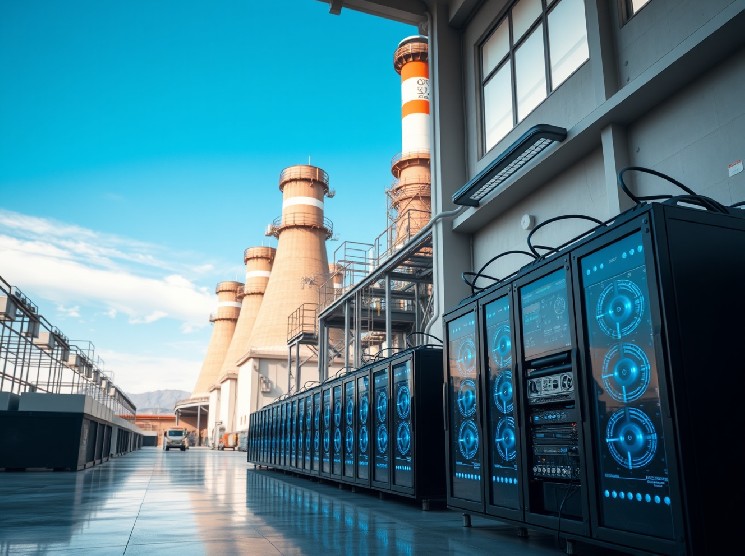
Italian energy company Alps Blockchain has partnered with Bolivian company Curvica to launch a Bitcoin mining operation at a decommissioned 127 megawatt (MW) natural gas power plant in Cochabamba, Bolivia. The facility currently uses approximately 27MW of power and operates at a hash rate of 1.23 exahash per second (EH/s), according to Beets’ report. The company plans to increase power consumption to 45MW by the end of the year.
Reusing stranded energy for cryptocurrency mining
This partnership represents a growing trend in the cryptocurrency mining industry: repurposing stranded or underutilized energy infrastructure for digital asset production. The previously offline Cochabamba factory is now equipped with mining hardware that is powered directly from the site’s natural gas supply. This approach reduces energy waste and provides a revenue stream for idle assets. Alps Blockchain, which specializes in energy-intensive blockchain operations, sees Bolivia as a strategic location due to its available natural gas reserves and relatively low energy costs.
Expansion plans and regional impact
Alps Blockchain’s current 27 MW operation is only the first phase. The company aims to scale up to 45 MW by late 2024, which will significantly increase the site’s hashrate and mining output. The expansion has the potential to create local jobs in maintenance, security and operations. The project will be one of the first large-scale Bitcoin mining ventures in Bolivia, which has limited cryptocurrency adoption and regulatory uncertainty. Partnering with Kulvika, a local company, can help you navigate regulatory requirements and community relations.
Why this matters to the crypto mining industry
The Bolivian project highlights a broader shift in Bitcoin mining to the use of flared or stranded natural gas. Miners are increasingly looking for places where energy is cheap or otherwise wasted, to reduce both operating costs and environmental criticism. If successful, the model could be replicated in other areas with decommissioned power plants and surplus gas. However, the venture also faces risks such as potential regulatory changes in Bolivia, fluctuations in Bitcoin prices, and technical challenges associated with operating in a remote location.
conclusion
Alps Blockchain’s launch of Bitcoin mining at a decommissioned gas factory in Bolivia demonstrates the practical reuse of stranded energy assets for cryptocurrency production. With current power usage of 27 MW and plans to reach 45 MW, the project could serve as a case study for similar efforts around the world. The partnership with local company Kurvika highlights the importance of local expertise in the emerging crypto mining market. Long-term viability will depend on energy prices, regulatory clarity, and Bitcoin’s market performance.
FAQ
Q1: What is the role of Alps Blockchain in this project?
Alps Blockchain is an Italian energy company leading Bitcoin mining operations. They will provide the mining hardware and operational expertise, while Bolivian partner Curvica will be responsible for local logistics and regulatory compliance.
Q2: How much electricity does the mining facility currently use?
The facility currently consumes approximately 27 megawatts of electricity, with plans to expand to 45 megawatts by the end of 2024. The total capacity of the power plant is 127 megawatts.
Q3: Why are decommissioned power plants being used to mine Bitcoin?
Decommissioned power plants often have existing power infrastructure and access to cheaper or scarce energy sources, such as natural gas. This reduces mining costs, reuses assets that would otherwise remain idle, and aligns with the industry’s energy efficiency drive.


