

Simply put
- The lawsuit alleges that Iggy Azalea’s meme coin, MOTHER, was sold with misleading promises.
- Investors point to failures in integration, including casinos and telecommunications.
- Solana-based tokens have fallen over 99% from their peak.
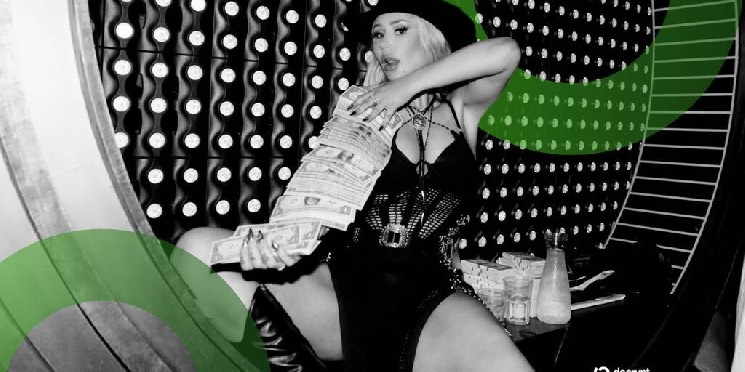
Rapper Iggy Azalea is facing a class action lawsuit in federal court in New York for allegedly misleading investors about the utility and development of a Solana-based meme coin trading as MOTHER.
The complaint, filed Tuesday in the U.S. District Court for the Southern District of New York, accuses Azalea of touting its tokens without real-world use cases or commercial integration, leading to losses for investors.
“This case is not about the normal volatility of cryptocurrencies or the inherent risk that speculative digital assets may decline in value,” the plaintiffs’ lawyers said. “This is about a celebrity-led promotional campaign that encourages consumers to buy and hold digital tokens through tangible and meaningful representation of real-world utility, commercial integration, institutional market maker support, and continued development.”
The plaintiff, Kenneth Colbrack of Wisconsin, is seeking damages on behalf of investors who suffered losses when purchasing Azalea meme coins. He claims that he bought the tokens after seeing statements about their usefulness, but that he would not have bought them or would have paid less if the claims were true.
Amethyst’s Amelia Kelly, known professionally as Iggy Azalea, entered the crypto market in 2024 during a wave of celebrity meme coins, launching MOTHER on Solana. The token quickly gained traction and had a market capitalization of over $200 million within weeks of its launch. At its peak, MOTHER traded at around $0.23 per token, giving it a fully diluted valuation of around $227 million based on total supply, according to CoinGecko, but has since fallen more than 99%.
Unlike many celebrity-backed tokens, Azalea remained closely involved in the project. She heavily promoted the token on social media, engaging with the community and connecting it to a broader ecosystem that includes events, a planned casino called Motherland, and other businesses such as telecommunications services and retail markets.
The complaint alleges that Azalea promoted Motherland as powered by MOTHER, but when the casino opened in early 2025, its core operations instead used USDT.
The lawsuit also alleges that Azalea said users could buy and pay for phones with MOTHER through Unreal Mobile, and that the tokens could only be used in a planned marketplace called DreamVault, but it is not working or launching as described.
“As of the date of this complaint, there is no durable, publicly observable MOTHER payments integration in the Unreal Mobile platform,” the complaint states.
The lawsuit raises further questions about Azalea’s relationship with cryptocurrency market makers Wintermute and DWF Labs. Although these partnerships were presented as a sign of institutional support, investors were not informed about how these companies could trade their tokens or how those arrangements would affect price trends, the complaint alleges.
The lawsuit seeks damages for investors who lost money, including statutory damages and potentially treble damages, as well as attorney’s fees and a jury trial, and also names “Doe Defendants,” legal replacements for individuals whose identities are not yet known.
The lawsuit is being filed by Berwick Law, which has made a name for itself in the crypto world by going after meme coin promoters and projects. The law firm was specifically behind a lawsuit filed against Haley Welch, known as the “Hawk Tua” girl, and her memecoin promoters. To date, the law firm has not been able to obtain a successful verdict in any of the memecoin cases as most of them are still in the pre-trial stage.
Representatives for Azalea and Berwick Law did not immediately respond. decryptionThis is a comment request from .


