

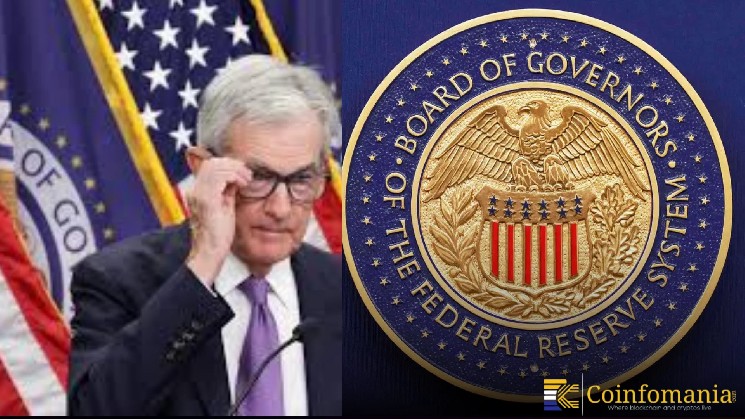
The Fed began 2026 with a large-scale short-term liquidity operation. It has lent $74.6 billion to U.S. banks through its standing repurchase facility. The move quickly gained attention on social media. Some posts describe this as a huge “injection” of cash into the economy. But market analysts and Fed watchers say the operation reflects routine year-end funding trends. Rather than a sign of financial stress.
Permanent reporting facility quota full
As of the beginning of the year, banks had borrowed a total of $74.6 billion through the standing repurchase facility, according to data from the New York Fed. Approximately $31.5 billion of this was supported by U.S. Treasuries. Meanwhile, approximately $43.1 billion was secured by mortgage-backed securities.
Right now: 🇺🇸 Fed injects $74.6 billion into the US economy. pic.twitter.com/IA5HZfUbWY
— Whale Insider (@WhaleInsider) January 1, 2026
The Standing Repo Facility, introduced in 2021, will allow eligible financial institutions to quickly convert high-quality collateral into cash. Loans are designed for the short term. Most mature overnight, but some can take up to a week. As a result, the balance usually returns to zero immediately after the operation stabilizes. This pattern has been repeated many times since the establishment of the facility.
Year-end “decoration” drives demand
Liquidity demands often increase at the end of the year as banks adjust their balance sheets to meet regulatory and reporting requirements. This process is commonly known as “decoration.” Funding conditions in the interbank market may become temporarily tight. Analysts say these pressures are predictable and seasonal. The Fed has repeatedly said it expects banks to use the facility during such periods. This usage is considered a sign that the system is working as intended. Additionally, increased activity in the Fed’s reverse repo facility offset some of the liquidity flows. This supports the view that the overall situation remains stable.
Crisis claims pushed back online
Despite the routine nature of the operation, some market commentators hailed the move as the Fed’s largest liquidity injection since the coronavirus crisis. Some suggested a link to stress in commodity and cryptocurrency markets. However, economists and macro analysts rejected these claims. They pointed out that the standing repo facility is a backstop, not a stimulus package. This does not imply permanent currency creation, nor does it represent emergency support. Recent market activity has also shown little sign of panic. The US stock market remained stable and the funding market showed no signs of post-operation dysfunction.
Meaning of the future
The Fed’s $74.6 billion number may seem large on its own, but context is important. Similar spikes have been seen at the end of past quarters and year-ends, but were reversed within days. For now, the Fed’s actions appear consistent with its broader approach to maintaining smooth market functioning. while avoiding unnecessary intervention. The exception is when repository usage continues to increase beyond seasonal norms. Analysts see little reason to interpret this move as a warning signal.
Once trading fully resumes in early January, attention will turn to whether repo facility balances quickly normalize. As was the case in previous cycles. If that happens, this episode will likely be remembered as another annual year-end liquidity adjustment. Rather than a turning point in the market.


