

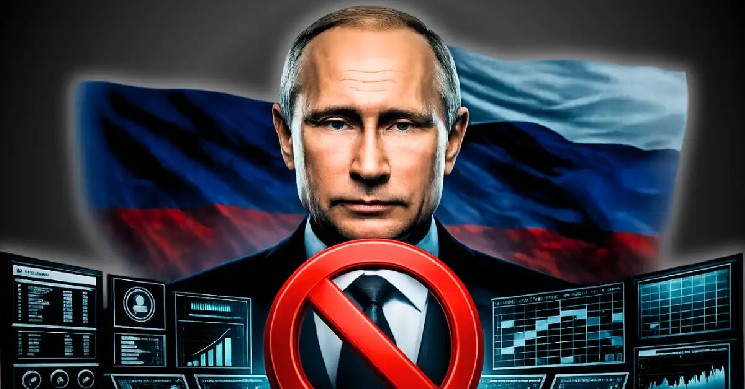
Russia could start blocking foreign cryptocurrency exchange websites as early as summer 2026, according to experts cited by RBC. The move could coincide with the government’s plan to introduce new cryptocurrency regulations and bring digital asset trading under formal state supervision by July 1.
Currently, most virtual currency transactions in Russia take place outside of the government’s direct control. The daily trading volume is estimated at around 50 billion rubles, highlighting the scale of cryptocurrency activity in the country.
Plan to migrate cryptocurrency trading to Russian platform
Russian officials appear to be focused on keeping cryptocurrency-related revenue domestic. Moscow Exchange Supervisory Board Chairman Sergei Shvetsov said Russian traders pay about $15 billion in fees to foreign cryptocurrency exchanges every year.
A new digital asset law is expected to be enacted soon, with authorities likely aiming to steer crypto trading, Bitcoin trading, and altcoin investing to regulated domestic platforms. This could lead to increased oversight of cryptocurrency wallets, exchanges, and blockchain transactions within the Russian financial system.
Nikita Zborev, senior analyst at Bestchange.ru, said a large-scale website blocking was a “likely scenario”. He suggested that Roskomnadzor could use tools such as DNS blocking and strict monitoring of internet traffic to restrict access to unregistered cryptocurrency exchanges.
Concerns about the growth of the black market
However, experts warn that strict regulations will not completely stop foreign cryptocurrency trading. If international platforms are not allowed to obtain local licenses or partner with Russian brokers, users may turn to peer-to-peer trading, VPN services, and decentralized exchanges.
Zborev said such measures could increase crypto fraud, raise transaction costs and push parts of the digital currency market into the shadow economy. At the cost of reducing cryptocurrency activity, stricter enforcement could make it harder to track.
Given the size of Russia’s crypto market and the popularity of platforms like Binance, analysts believe that an outright ban would be difficult in practice.
Belarusian cryptocurrency regulatory model
BitOK founder Dmitry Matikhin suggested that Russia could adopt a similar model to Belarus. In Belarus, cryptocurrency trading is limited to approved national exchanges that operate under special legal rules.
Legal experts also say foreign crypto platforms could be blocked for not complying with Russia’s data storage and localization requirements. At the same time, Roskomnadzor is reportedly developing AI-based systems to improve monitoring and filtering of online traffic, which could lead to increased enforcement.
What’s next for the Russian crypto market?
Tighter crypto regulation seems likely, but the long-term outcome will depend on how Russia balances control and innovation. The authorities may choose a regulated legalization approach, allowing regulated crypto exchanges to operate in the country. Alternatively, increased isolation from global cryptocurrency markets could reshape how Russians buy Bitcoin, trade altcoins, and use digital assets.
For now, the focus is clear. The goal is to bring cryptocurrency trading, exchange activity, and blockchain transactions under state surveillance to keep more of the revenue within the Russian financial system.


