

Mitsubishi Corporation plans to use a blockchain-based payment system developed by JPMorgan Chase & Co. to move funds across its global operations, signaling continued adoption of blockchain infrastructure in traditional finance.
The system, part of JPMorgan’s blockchain network known as Kinexys, will enable near-instantaneous fund transfers, reduce reliance on traditional banking, and operate 24 hours a day, the Nikkei newspaper reported.
JPMorgan is looking to increase the daily trading volume on its platform from the current average of $7 billion to $10 billion. Since its launch in 2020, Kinexys has processed more than $3 trillion in cumulative transaction volume, highlighting the growing demand from institutional investors for blockchain-based payment systems.
This appointment is noteworthy considering the size of Mitsubishi, one of Japan’s largest trading and industrial companies with extensive global operations spanning energy, manufacturing, and logistics. Last year, the company produced more than 883,000 vehicles.
Kinexys has also attracted other major customers, including Qatar National Bank (QNB) Group, one of the region’s largest financial institutions, which announced in September that it would use the platform to process payments for businesses. At the time, QNB executive Kamel Morris said Kinexys “can guarantee payments in as little as two minutes.”
Related: BitGo expands Canton Coin services with trading and on-chain payments
Kinexys expands focus on tokenization
Despite CEO Jamie Dimon’s longstanding skepticism about cryptocurrencies, JPMorgan has been steadily expanding its blockchain infrastructure, a push highlighted by Mitsubishi Motors’ adoption of the Kinexys network.
Kinexys itself extends beyond payments. JPMorgan is developing Kinexys Fund Flow, a tokenization platform targeting asset classes such as private credit and real estate, with rollout expected this year.
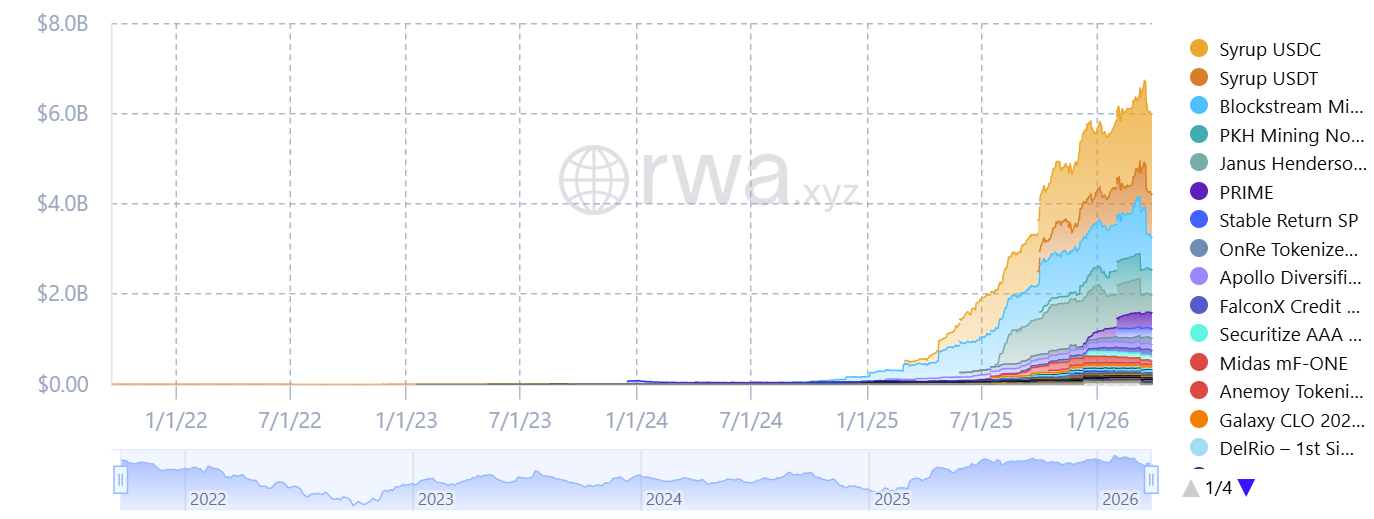
It’s not just banks. BlackRock is launching a tokenized fund, and Franklin Templeton is running a blockchain-based money market fund. Meanwhile, German industrial giant Siemens has issued digital bonds on blockchain rail, demonstrating growing institutional interest in tokenization.
In the United States, industry players are increasingly moving toward tokenization as improved regulatory transparency and infrastructure improvements reshape market structures. As Cointelegraph recently reported, Nasdaq and the New York Stock Exchange have both moved to incorporate tokenization into their alternative trading systems, signaling a move to blockchain-based payment rails.
Related: Cryptobiz: Stablecoin jitter meets institutional momentum


