

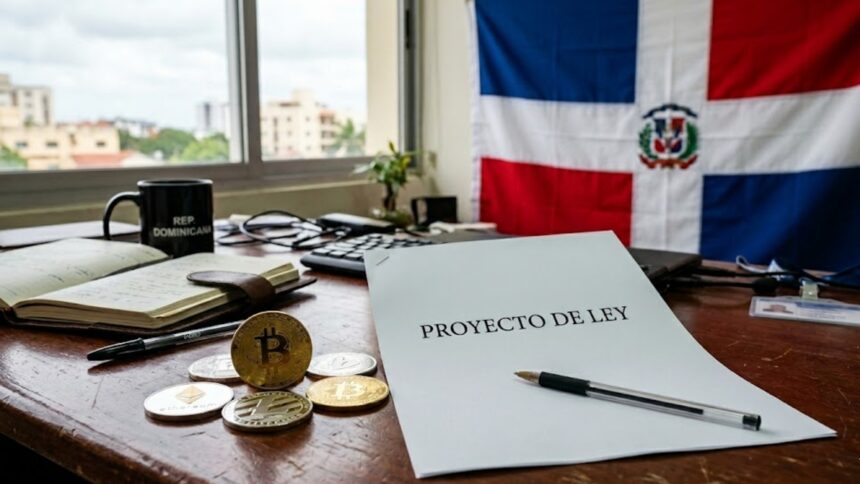
A new regulatory framework for Bitcoin (BTC) and cryptocurrencies has arrived in the Dominican Republic’s House of Representatives. The project, called the “Law on the Prevention, Control and Regulation of Cryptocurrencies”, was formally deposited with the Legislative Secretariat by Carlos de Pérez and drafted by Judge Argenis García del Rosario.
The initiative, announced on March 16, comes as the use of these technologies increased by 52% in the country last year, de Peres said. Supporters say the goal is to reduce the risk of fraud. Provides a clear monitoring structure For the domestic cryptocurrency market.
The legislative proposal, which has similarities to those submitted in other countries in the region such as Mexico and Colombia, defines Bitcoin and other digital assets as taxable assets and establishes that profits generated from their exchange or sale must be taxed in the same way as other financial assets.
One of the key points of this law is the creation of “quality certifications,” which are licenses granted by the Securities Commission to exchanges and custodians to operate legally.
Furthermore, the text recognizes the rights of companies. Price your products and services directly with digital currenciesHowever, providers must thoroughly report on the volatility and irreversibility of transactions.
According to Congressman Carlos de Perez: The project is “designed to bring order and security to the digital ecosystem.” in the Dominican Republic.
Despite intentions of transparency, members of the local Bitcoin community in the Dominican Republic have expressed critical positions. For example, Pedro Vital, director of the Bitcoin Dominicana organization, questioned the originality of the work.
In a statement to CriptoNoticias, he pointed out that the project appears to be copying foreign models, such as the European model with the MiCA law, as it establishes a figure for the register of crypto asset service providers and focuses on financial stability and risks in the cryptocurrency market. In Vital’s opinion, this is common practice. It has been regulated since before the industry was born.
Mr. Vital said that regulating without conducting independent field research in the Dominican context is it’s kind of a guess It can hinder the country’s development opportunities.
According to the leader of the Bitcoiner organization, local communities should have been an integral part of the conversation to avoid regulations that do not fit the country’s realities.
Similarly, Alexis Díaz Holguin, an entrepreneur and technology enthusiast known as Marcianotech, also warned of the dangers of restrictive laws. Comparing the situation with a more open model like El Salvador and current trends in the United States, he pointed out in comments to this media that regulations are overly strict. typically moves talent and investment away from jurisdictions with more favorable environments.
According to his vision, the Dominican Republic has the potential to diversify its economy beyond tourism, as long as an approach that fosters innovation is encouraged. rather than imposing unnecessary bureaucratic barriers.
(Tag translation) Bitcoin (BTC)


