

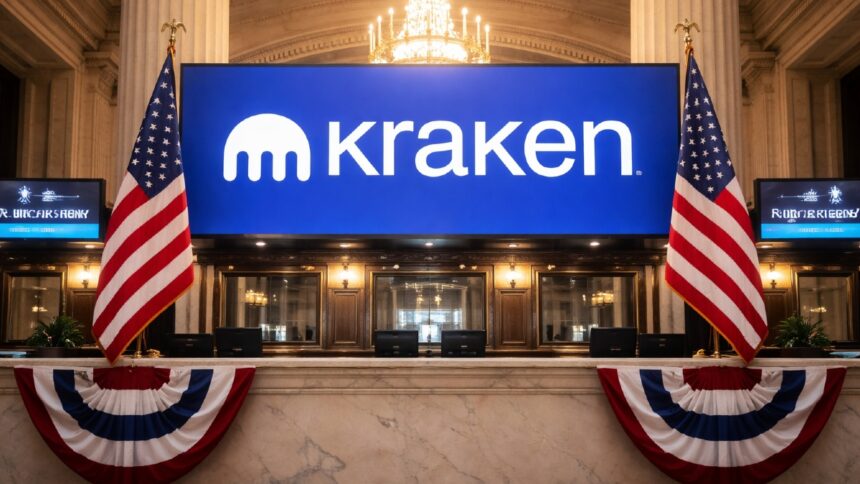
Today, March 4, the US Federal Reserve Bank of Kansas announced the approval of a limited-purpose master account for Kraken Financial, the banking arm of Bitcoin (BTC) and cryptocurrency exchange Kraken.
This milestone makes the company the first digital asset bank in U.S. history. This is to provide direct access to the Federal Reserve System’s (FED) payments infrastructure.
This authorization allows companies registered as Payward Financial to operate under the Federal Reserve Board’s account access guidelines. By integrating directly into systems such as FedwireKraken eliminates the need for intermediary correspondent bankswhich optimizes transaction settlement and reduces operational costs for Bitcoin users.
However, Kraken does not accrue interest on its reserves and cannot receive emergency loans from the Fed, so it does not receive all the services available to traditional banks.
Arjun Sethi, co-CEO of Payward and Kraken, emphasized the structural relevance of this progress.
He said: “This milestone marks the convergence of digital asset infrastructure and sovereign financial rails, allowing us to operate as a directly connected financial institution rather than a peripheral participant.”
According to the company, this architecture will facilitate “atomic payments” between fiat currencies and Bitcoin in the future. Not only does it enable institutional level cash management; Integrated with digital asset storage. Initially, Kraken will implement a phased rollout with a focus on accelerating institutional customer activity.
The Federal Reserve Bank of Kansas’ decision to classify Kraken as a Level 3 entity comes at a transformative time for America’s payments system. Kansas Fed President Jeff Schmidt said system integrity and stability remain a priority as the situation continues to evolve.
This approval is the result of more than five years of regulatory efforts and operational scrutiny. As a Wyoming Special Purpose Depository Institution (SPDI), Kraken Financial operates under a full reserve model and holds liquid assets of more than 100% of its customers’ fiat deposits.
This progress comes despite resistance from influential banking groups such as the Banking Policy Institute (BPI), which recently called for a 12-month period before integrating crypto companies into the federal system, as reported by CriptoNoticias.
The traditional banking sector has expressed concerns about liquidity risk, and Kraken’s aggregate reserve model aims to reduce exactly this type of vulnerability.
Kraken’s integration into American banks’ payment systems came hours after President Donald Trump attacked banking organizations. They are acting against the crypto agenda of his administration.
“(Banks) need to come to a good agreement with the crypto industry because that’s in the best interest of the American people,” President Trump said.
(Translate tag) Banking and insurance


