

Coinbase is the world’s most regulated and most publicly accountable cryptocurrency exchange. The company was the first crypto company to list on a major stock exchange (Nasdaq, April 2021), the first crypto-native company to join the S&P 500 (May 2025), has $516 billion in customer assets, and operates under the most stringent regulatory oversight of any other exchange in its class.
It’s also the most expensive of the major exchanges in most respects, but it’s not necessarily the most feature-rich for experienced traders.
That tension defines Coinbase. Maximum trust, maximum accessibility, and maximum compliance at a premium price. Whether that trade-off is worth it depends entirely on who you are and what you need from an exchange.
This review covers everything, including features, pricing, security, May 2025 cyber attacks, Deribit acquisition, Base Layer-2, supported assets, mobile apps, and how Coinbase compares to Binance, Bybit, OKX, Mercado Bitcoin, Paybis, and 1inch.
Disclaimer: This review is for informational purposes only and does not constitute financial or investment advice. Cryptocurrency is a high-risk asset class.
Coinbase overview
Source: CoinGecko, Coinbase Q4 2024 Shareholder Letter, Company Filings.
What is Coinbase?
Coinbase was founded in 2012 by Brian Armstrong and Fred Asham, making it one of the oldest operating cryptocurrency exchanges in existence. It was built from day one around one theme: to make it as easy as possible for ordinary people to buy Bitcoin with their bank accounts. Thirteen years later, that founding philosophy still defines the platform.
Where Binance was built for traders, Coinbase was built for buyers. A simple buying and selling interface requires no knowledge of order books, trading pairs, or commission structures. Enter the amount, select the asset, and confirm. For the over 100 million people who own cryptocurrencies but don’t actively trade them, that simplicity is truly valuable.
Over the years, Coinbase has expanded far beyond its origins. We currently offer Advanced Trade for professional traders, Perpetual Futures with up to 20x leverage for international users, Prime Brokerage for Institutional Investors (Coinbase Prime), Layer 2 Network (Base), Self-Custody Wallets, and Native Stablecoins ($USDCco-developed with Circle), and became one of the world’s largest crypto options exchanges after acquiring Deribit in 2025.
The company listed on Nasdaq in April 2021, and its market capitalization peaked in 2021 at over $65 billion, but fell to less than $8 billion during the 2022 bear market, only to recover to around $68 billion to $81 billion by early 2026.
Coinbase features
simple buying and selling
Coinbase’s flagship interface for retail users. Select your cryptocurrency, enter the fiat amount, select and confirm your payment method (bank transfer, debit card, PayPal, Apple Pay). You will see the full cost before committing. A recurring purchase schedule enables dollar-cost averaging in just a few taps. No trading knowledge required.
Trade-off: Simple purchases use explicit flat or percentage commissions in addition to spreads built into the quoted price, making them significantly more expensive than advanced trades for the same trade.
advanced trade
Coinbase Advanced Trade is a professional trading interface that is a direct successor to Coinbase Pro. Powered by TradingView, it features a complete charting suite, live order book, depth chart, and complete order types (market orders, limit orders, stop limit orders, bracket orders). Fees follow a maker-taker model with nine volume tiers, starting at 0.40% / 0.60% and reaching 0.00% / 0.05% at the highest tier. For active traders, Advanced Trade is significantly cheaper than the simple buying interface and should become the default for those who trade frequently.
futures and perpetuals
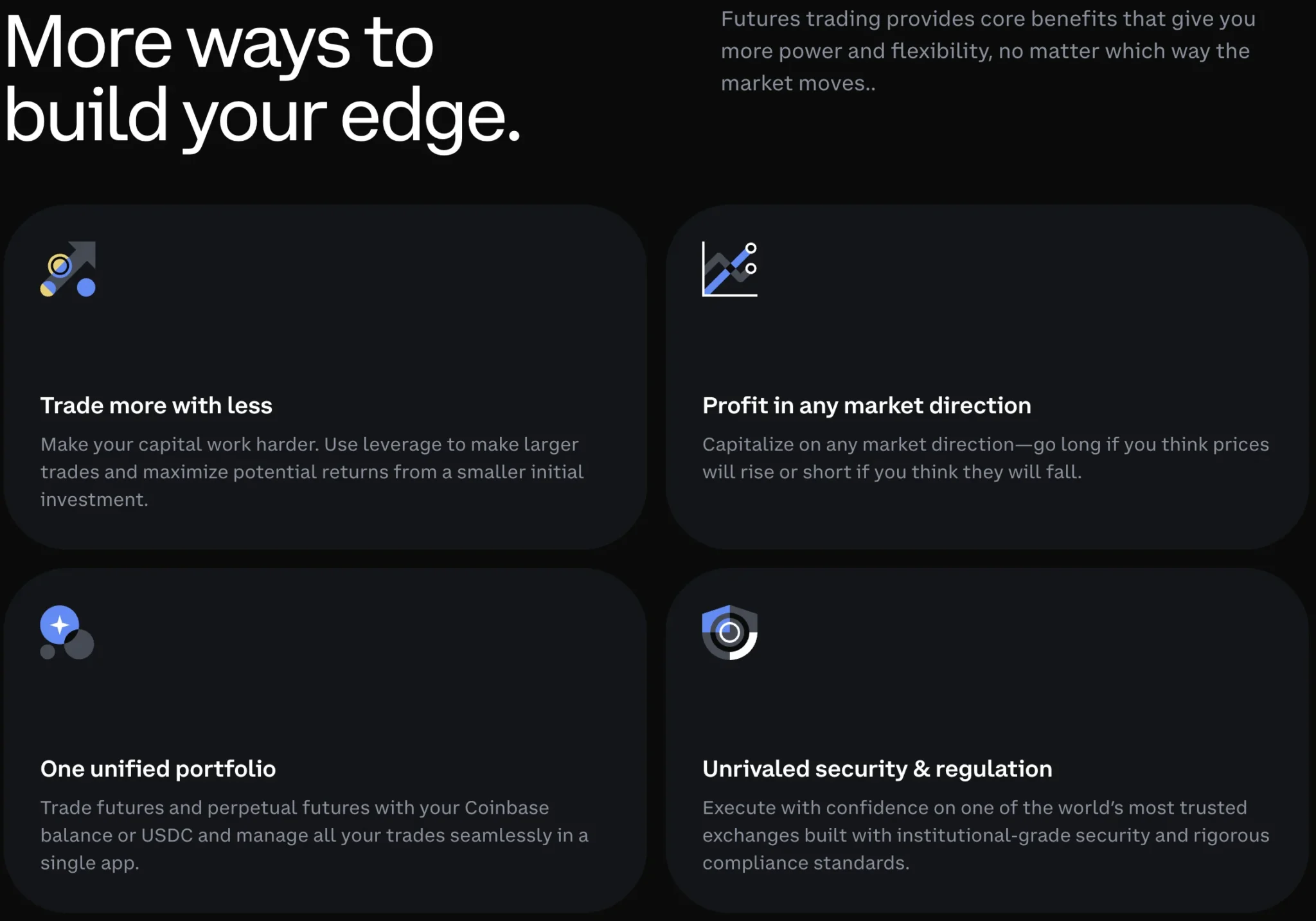
Following years of regulatory restrictions, Coinbase now offers perpetual futures with up to 20x leverage to eligible international users. Coinbase increased leverage on perpetual futures to 20x in 2025, closing the gap with Binance (125x) and Bybit (100x). US users can access CFTC-regulated NanoBitcoin and Ether futures through Coinbase Financial Markets.
Obtaining Deribit — Options Trading
In one of the largest M&A deals in crypto industry history, Coinbase acquired Deribit in 2025 for approximately $2.9 billion in cash and stock. Deribit is the world’s largest crypto options exchange and handles the majority of crypto options exchanges around the world. $BTC and $ETH Optional volume. This acquisition transforms Coinbase into a place for trading all kinds of derivatives, including spot, futures, perpetual, and options, and is covered in detail in our roundup of the top crypto news of 2025.
coinbase one
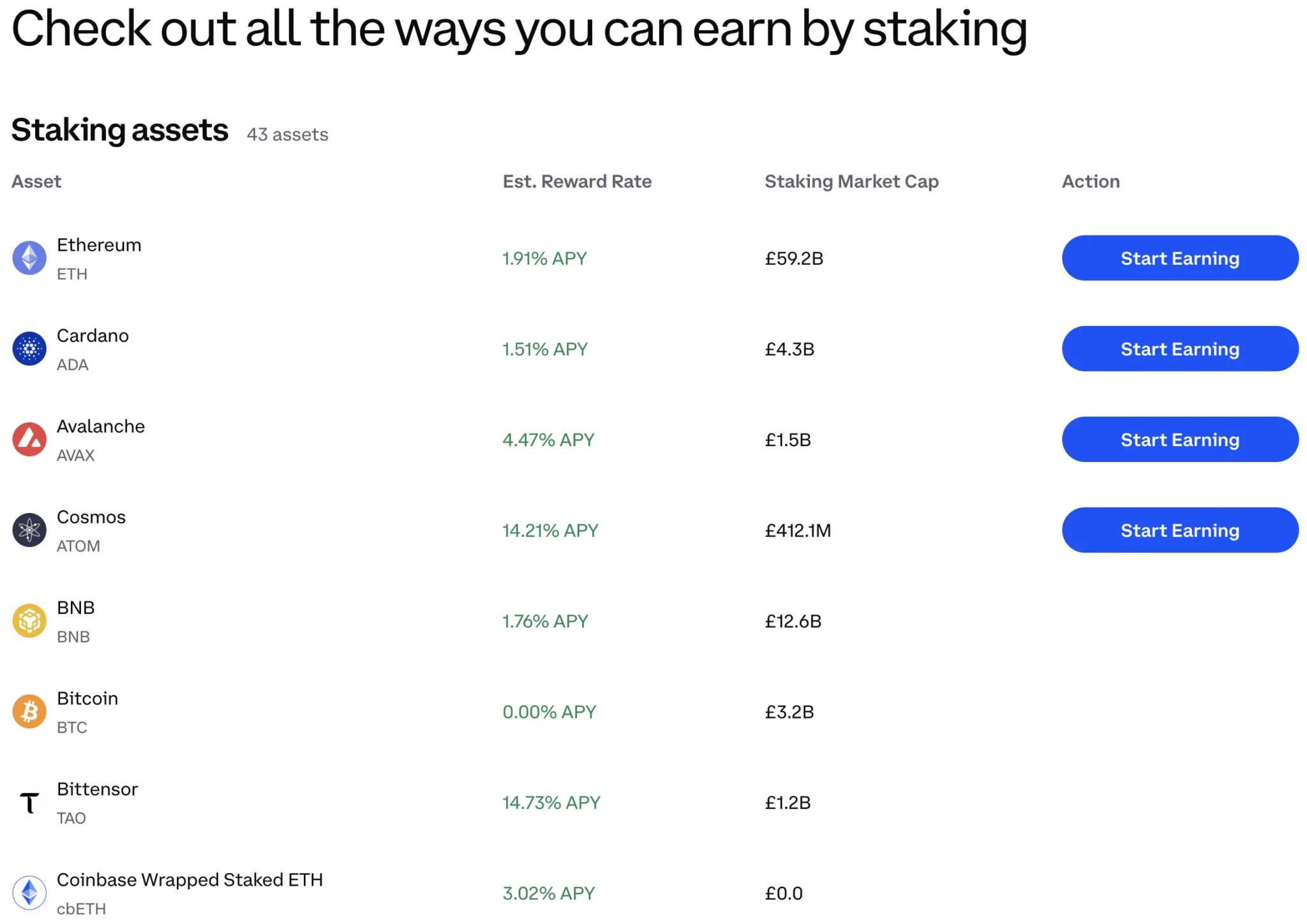
Coinbase’s $29.99 monthly subscription offers no trading fees up to a set monthly trading volume limit, priority customer support, up to $1 million in identity theft protection, and access to exclusive earning opportunities. Over 600,000 users have registered as of Q4 2024. For users who trade regularly via Simple Buy, Coinbase One typically pays for itself quickly. Breakeven requires saving more than $29.99 in fees, which can be achieved with $2,500 to $5,000 per month trading at standard rates.
Earn money by staking
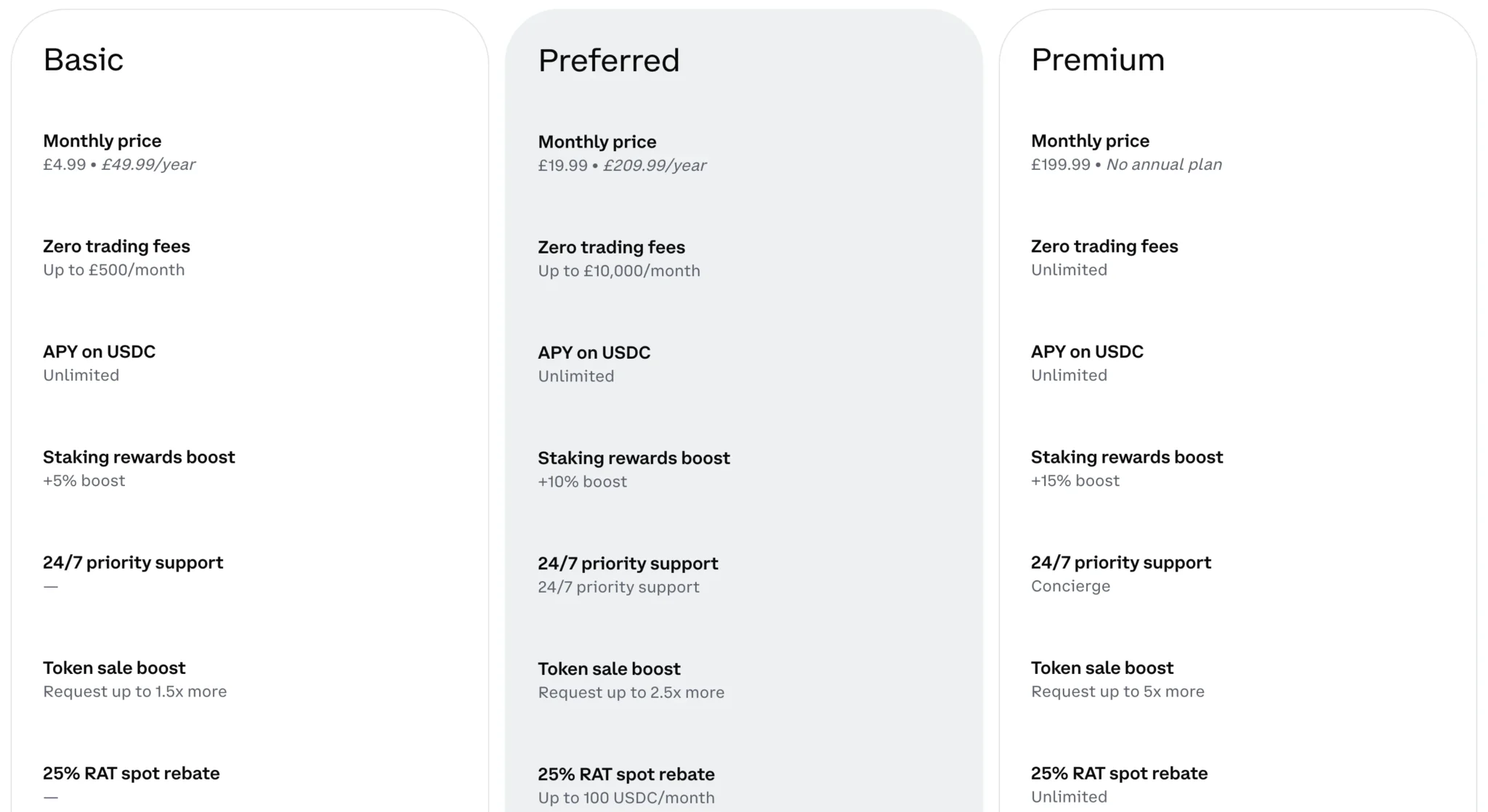
Coinbase offers staking $ETH, $SOL, $ADAATOM, DOT, and other proof-of-stake assets. Coinbase manages approximately 3.84 million $ETH — According to Rated Network staking data, it represents 11.42% of all Ether staked, making it the largest single Ethereum staking provider in the world. Coinbase Earn offers small crypto rewards for completing educational content.
Base — Layer 2 network
Base is Coinbase’s Ethereum Layer 2 network, launched on the OP stack in August 2023. The rollout of native Base integration in the Coinbase app accelerated Base adoption, with Coinbase smart wallets reaching more than 1 million users. Base has grown to be one of the most active L2 networks by number of transactions and developer activity, hosting DeFi protocols, $NFT Platform and AI agent applications.
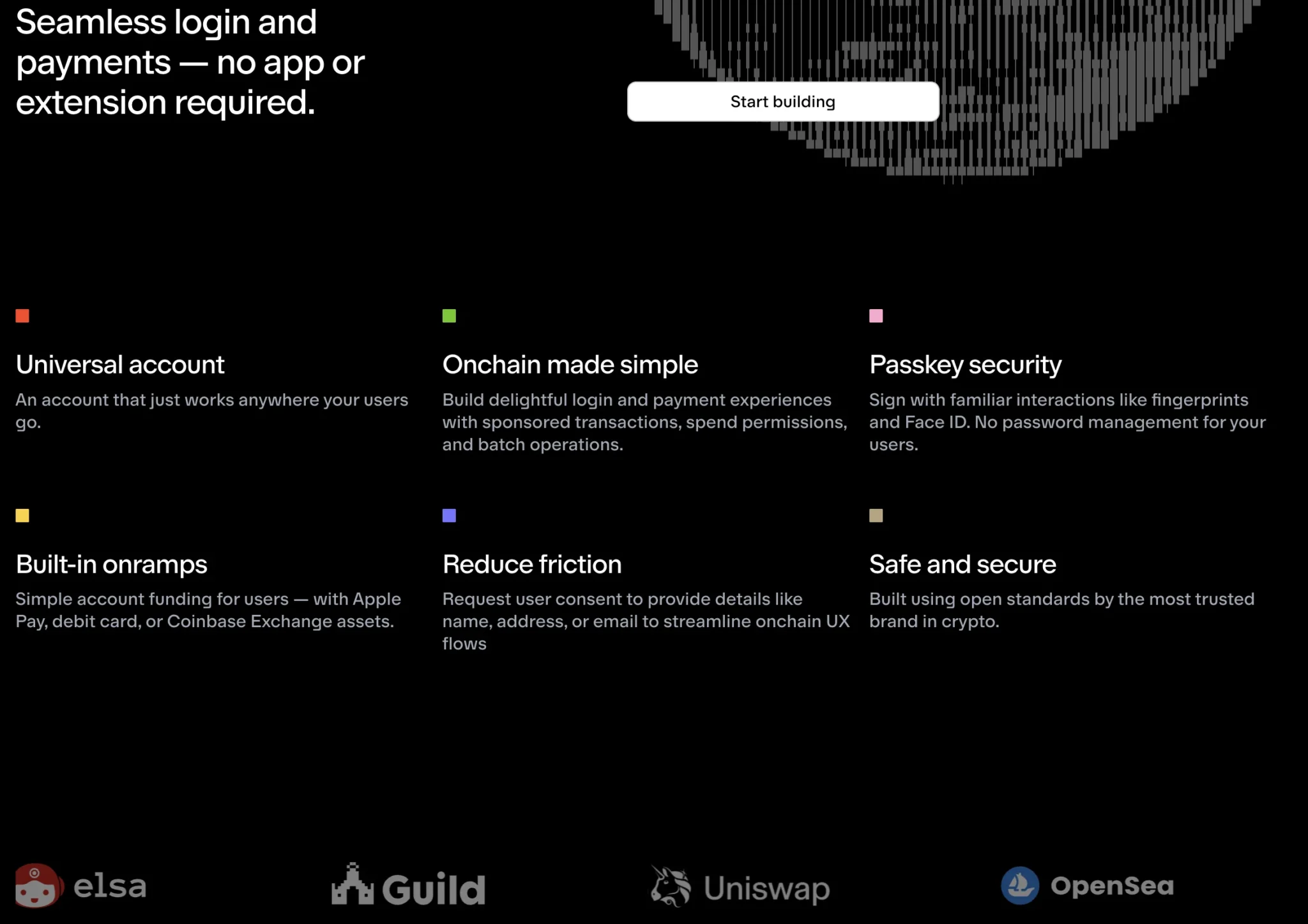
coinbase wallet
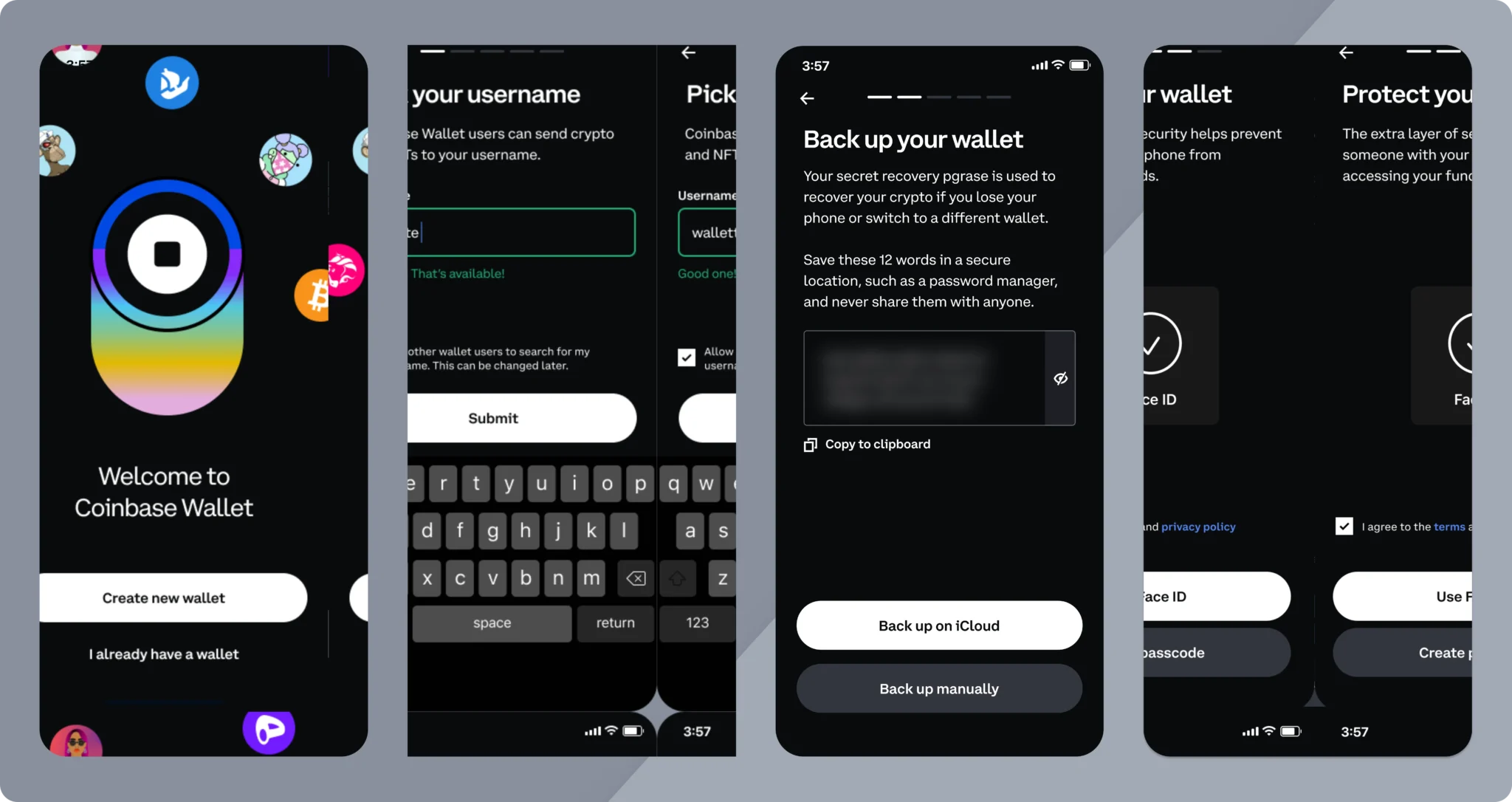
Coinbase’s self-custodial wallet supports over 100,000 assets across multiple blockchains and connects to DeFi protocols. $NFT You can use dApps in the marketplace and directly from your mobile. Unlike funds held on an exchange, assets in Coinbase Wallet are completely controlled by the user. For users who want to combine the familiarity of the Coinbase brand with self-custody, this is one of the most accessible non-custodial options available. For a complete comparison, check out our guide to the 10 best wallets for Bitcoin and cryptocurrencies.
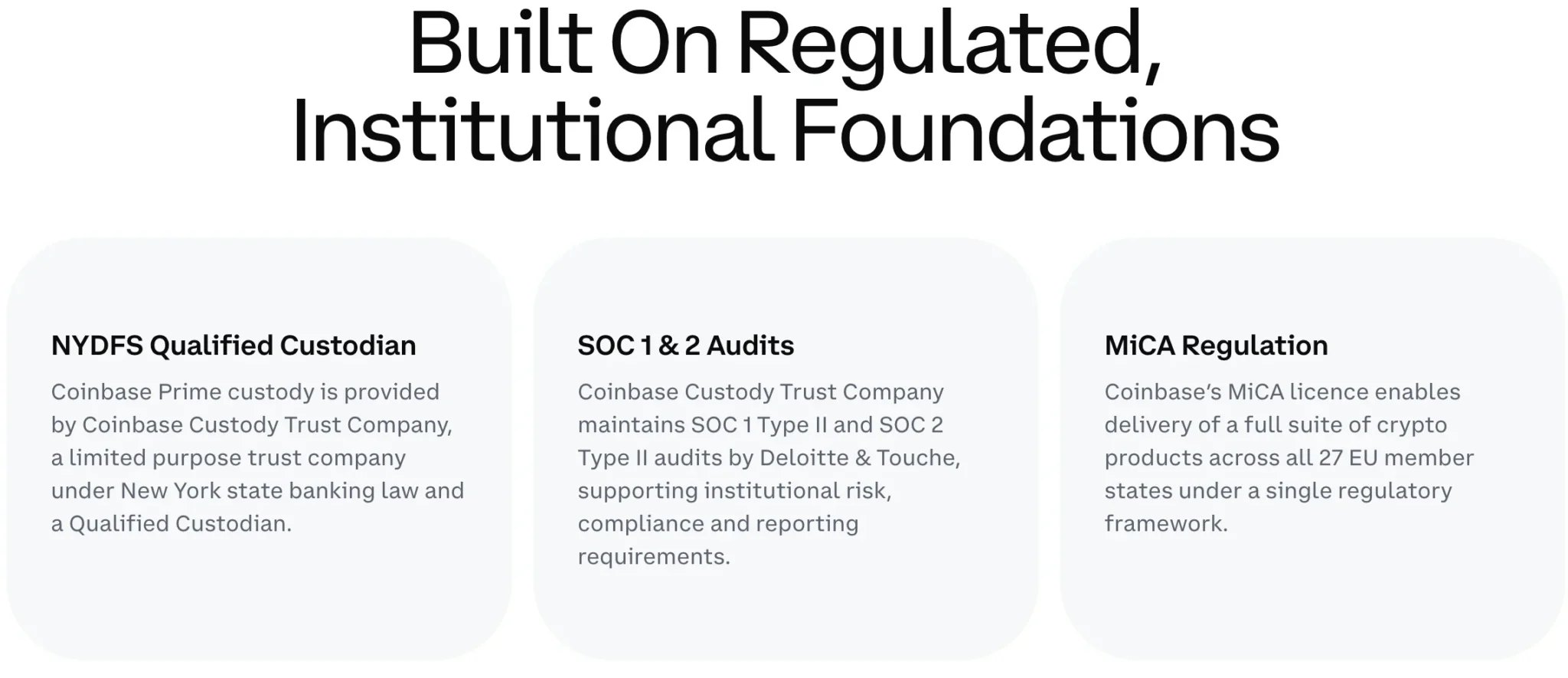
Coinbase Prime — Institutional Services
Coinbase Prime provides custodianship for several Bitcoin ETF products, including those from BlackRock and Fidelity, making Coinbase the dominant custodian of institutional crypto assets in the United States. Prime supports over 250 digital assets for trading and storage of over 440 assets across 38 blockchain networks.
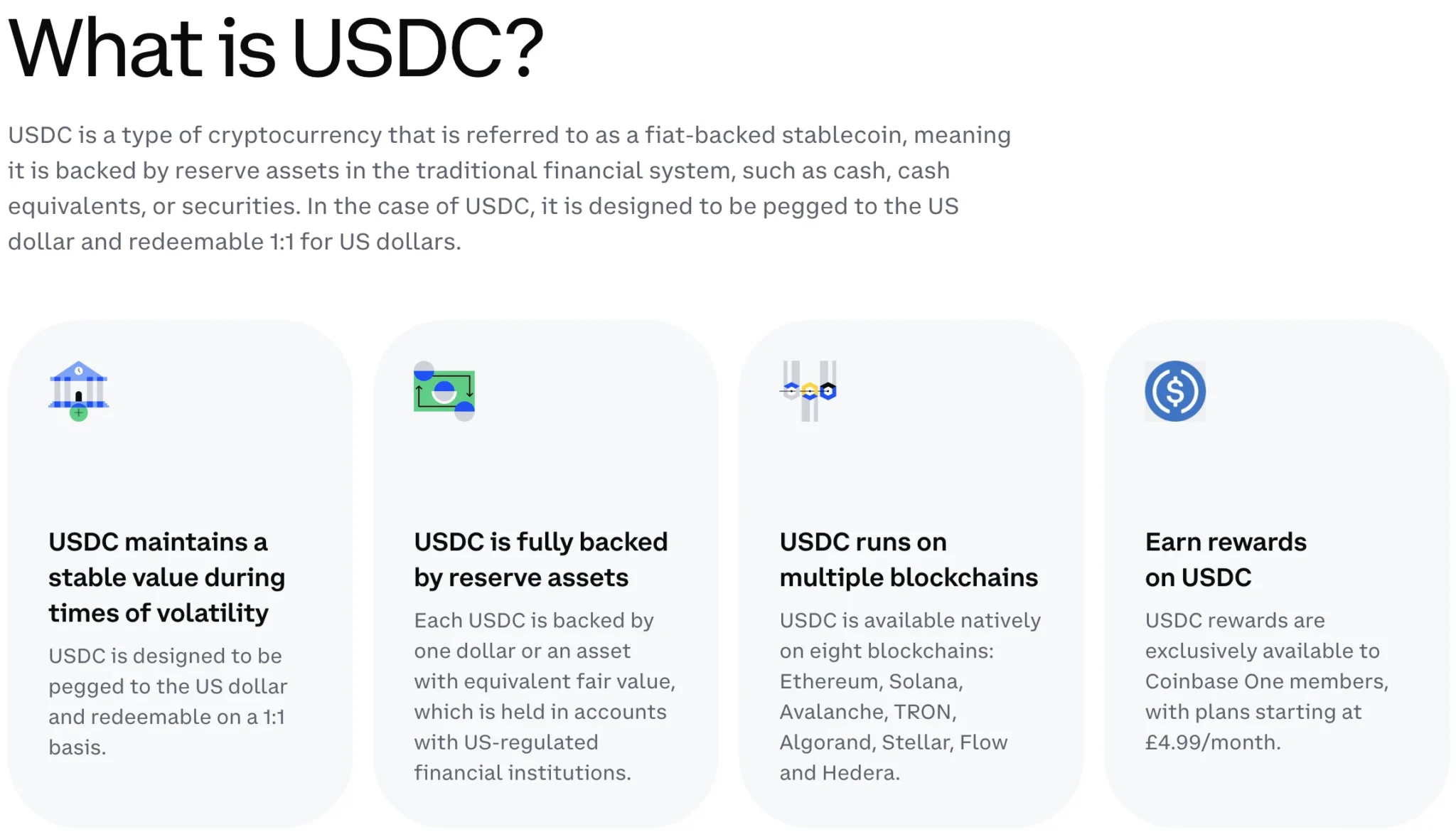
$USDC
USD coin co-developed by Coinbase ($USDC) has partnered with Circle and continues to be one of its primary distributors. $USDC is the world’s most regulated leading stablecoin, fully reserved, monthly verified and operating under the US Remittance Framework. Free exchange between USD and USD $USDC Coinbase has no fees, making it the most cost-effective implementation service for stablecoin users.
Coinbase Fees — Full Breakdown
Coinbase’s fee structure is the most criticized aspect. The key difference is between Simple Buy and Advanced Trade.
simple trading fees
The total effective cost of a simple purchase over $200 can amount to 2-3% of your all-in. This is 20-30 times more expensive than Advanced Trade for the same asset.
Upfront transaction fee
Even with Advanced Trade’s base rate (0.40%/0.60%), Coinbase is more expensive than Binance (0.10%/0.10%) for comparable trading volumes. The difference narrows as you move up the tier, but Coinbase will never reach Binance’s VIP rate of less than 0.02%.
Deposit and withdrawal fees
- Cryptocurrency deposit: Free (network usage fees apply)
- $ACH Bank transfer (US): free
- Wire transfer (US): Deposit $10 / Outgoing $25
- Debit card / PayPal: ~2.49%
- $USDC conversion: free
- Virtual currency withdrawal: Variable network charges are displayed before confirmation
coinbase security
Regulatory position
Coinbase holds money transfer licenses in 49 U.S. states, is registered with FinCEN, operates under the BitLicense in New York, and files quarterly financial statements with the SEC as a public company. It is the only cryptocurrency exchange eligible for this level of exposure. No other major crypto exchange offers this level of financial transparency.
Coinbase faces regulatory penalties, with Ireland imposing a €21.5 million fine for AML deficiencies and NYDFS imposing a $100 million settlement for non-compliance. These reflect operating costs under actual regulatory oversight. This is something that most offshore exchanges completely avoid.
May 2025 Cyber Attack
In May 2025, a social engineering attack compromised a customer support contractor, exposing the personal data of approximately 69,461 users. No passwords, private keys, or funds have been accessed. Coinbase refused to pay the $20 million ransom and offered a $20 million reward for information leading to the arrest of the attackers. Restoration costs are estimated to be between $180 million and $400 million. Coinbase published a full description of the incident and its response in an official security disclosure. This incident occurred during one of the most costly crypto hacks in history, but unlike the exchange hack, no funds belonging to Coinbase users were stolen.
Cold storage and asset protection
Approximately 98% of customer assets are stored in offline cold storage, one of the highest percentages in the industry. Pursuant to U.S. Bankruptcy Law, customer crypto assets are kept separate from company assets. Coinbase publishes audited financials and a real-time reserve proof portal where users can confirm that their balances are included in the reserve audit.
Security features for users
- 2FA: Authenticator apps, hardware security keys (FIDO2/WebAuthn), SMS
- Biometric login: Mobile Face ID and fingerprint authentication
- Vault account: Time-delayed withdrawals (24-48 hours) for large holdings
- Withdrawal permission list: Restrict withdrawals to pre-approved addresses only
- Device authentication: New device login requires email confirmation
- Coinbase One Protection: Up to $1 million in identity theft coverage for subscribers
Supported cryptocurrencies and assets
Coinbase lists 9,266 total assets but trades 313 cryptocurrencies across over 502 pairs. This is less than Binance (over 600) and OKX (over 600), reflecting their more stringent listing criteria.
Main categories:
- Excellent company: $BTC, $ETH, $SOL,XRP, $BNB, $ADAABAX, $Doge
- DeFi: UNI, AAVE, CRV, COMP, MKR, LDO
- Stablecoin: $USDCUSDT, DAI, EURC
- L2/Infrastructure: ARB, OP, Base Ecosystem Tokens
- Meme coin: $DogeSHIB, PEPE (limited selection with competitors)
What is particularly missing is that many newly launched tokens are readily available on Binance or OKX. Coinbase’s legal review process can result in new listings weeks or months later than competitors.
Coinbase Mobile App
Coinbase’s iOS and Android apps consistently rank among the most downloaded financial apps in the United States. Features include:
- Simple buying and selling interface (default home screen)
- Advanced trading with full charting and order management
- Portfolio dashboard with performance tracking
- Schedule a subscription
- Staking and acquisition management
- Coinbase One Subscription Management
- Price alerts and newsfeed
The UX is sleek, clean, fast, and intuitive. Coinbase’s mobile experience is the benchmark for beginner-friendliness in the crypto exchange category.
Coinbase Pros and Cons
Strong Points
The safest gateway to cryptocurrencies for US users. Regulated in 49 states, a member of the S&P 500, financially audited, and 98% refrigerated. For users who value trust and legal protection above all else, there’s nothing like it.
Best-in-class beginner experience. A simple purchasing interface eliminates any barriers to entry. New users can go from zero to holding Bitcoin in less than 5 minutes. Coinbase Academy offers a wide range of structured learning content.
Dominant institutional infrastructure. Coinbase Prime and Custody manage assets for BlackRock, Fidelity, and dozens of institutional ETF clients. The gold standard for regulated institutional cryptocurrency custody in the United States.
A growing ecosystem. Base (active L2), Deribit (optional), $USDC (a regulated stablecoin) and Coinbase Wallet (self-custodial), the platform enables a reliable and complete ecosystem play comparable to the breadth of Binance.
$USDC Integration. Free exchange between USD and USD $USDC There are no transfer fees, making it the most cost-effective introduction method for stablecoin users.
Cons
Simple Buy has high fees. For a simple trade with an all-in of 2-3%, Coinbase charges 20-30 times more than Binance for the same trade. Even Advanced Trade’s base rate (0.40%/0.60%) is 4-6 times higher than Binance’s flat 0.10%.
The selection of altcoins is limited. With 313 tradable assets compared to over 600 on Binance and OKX, Coinbase is missing out on many emerging tokens. Users seeking exposure to a wide range of altcoins will need an additional exchange or self-custodial wallet.
There is no native exchange token. Different from Binance ($BNB), OKX (OKB), or Bybit (BIT), Coinbase does not offer token offering fee discounts. Coinbase One is the only fee reduction tool available for $29.99 per month.
May 2025 Data Breach. Personal data of 69,461 users was exposed through social engineering. Although no funds were stolen, the incident highlights the human factor vulnerabilities of even the most regulated exchanges.
Derivatives are limited to US users. The complete perpetual suite (20x leverage) is only available internationally. US users are limited to CFTC-regulated nano futures contracts.
Coinbase vs. Competitors
Coinbase and COIN stock
Unlike the other exchanges in this section, Coinbase is a publicly traded S&P 500 company. COIN stock trades on the Nasdaq and is held as a component of the S&P 500 in virtually every U.S. index fund. Owning COIN is effectively a leveraged bet on the trading volume of a cryptocurrency without directly owning it – stocks tend to outperform $BTC It performs poorly in bull markets and underperforms in bear markets.
Key Milestones: Listed on Nasdaq in April 2021 at an indicative price of $250. The all-time low in June 2022 is about $40. In May 2025, it will be included in the S&P 500 and the stock price will increase by 15-24%. The trading price at the beginning of 2026 will be approximately $234-248, and the market capitalization will be approximately $68 billion.
How to create a Coinbase account
- Visit Coinbase.com or download the app
- click Let’s get started Please enter your email address
- Verify your email address and create a password
- completion Identity verification documents: Government-issued ID + selfie — required for all transactions
- enable 2FA Use an authenticator app (avoid SMS if possible)
- Link your payment method: $ACH Bank transfer (cheapest), debit card, or PayPal
- move to advanced trade Before your first transaction to avoid Simple Buy fees.
Will Coinbase be safe in 2026?
Coinbase is the world’s safest centralized exchange for US users in terms of regulatory standing and financial transparency. Financials filed with the SEC, membership in the S&P 500, full BIT license, and money transfer license in 49 states is real oversight with real consequences.
The May 2025 breach is a legitimate concern. Social engineering of support staff is a recurring threat vector for all centralized services. Coinbase’s response (paying out a $20 million bounty and committing hundreds of millions of dollars to remediation) has been particularly aggressive. No funds were lost, but personal information was compromised.
Practical steps: Enable hardware key 2FA, activate Vault for large holdings, set withdrawal permission list, and avoid holding more on exchanges than you actually need.
Verdict: Is Coinbase the best crypto exchange?
For US-based retail users who prioritize security, regulation, and ease of use, yes. No other exchange combines full US compliance, S&P 500-level financial transparency, 98% cold storage, and a beginner-friendly interface that truly works.
For active traders who focus on fees and altcoin selection, Coinbase is expensive by default. Advanced Trade has narrowed the gap considerably, while Binance, OKX, and Bybit offer more assets with lower base rates and higher derivative leverage.
Coinbase’s ideal user: U.S.-based investors who want a regulated, trusted exchange for Bitcoin, Ethereum, and major altcoins and are willing to pay a small premium for the industry’s highest regulatory standards. Move to Advanced Trade from day one, consider Coinbase One for regular trading, and use Coinbase Wallet for long-term self-storage.
Overall rating: 8.5/10 — The gold standard for compliance, trust, and beginner accessibility. It is a step behind in terms of fees and altcoin breadth for experienced traders.


