

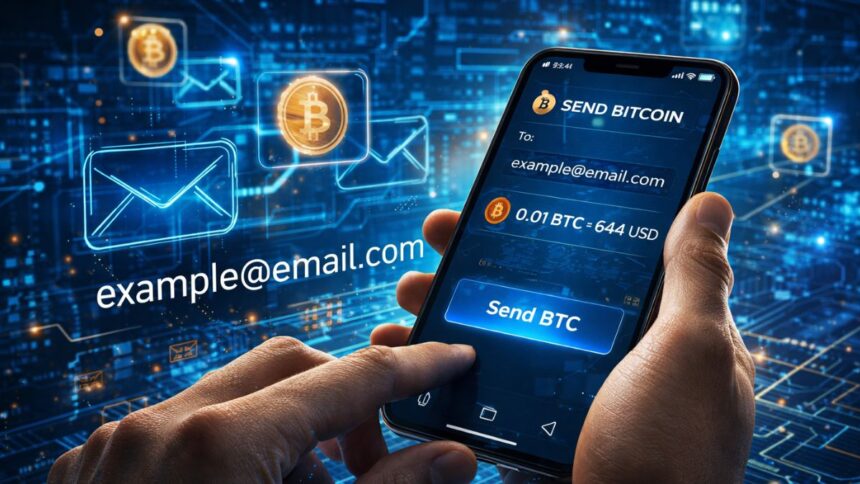
Brazilian Bitcoiner developer and Area Bitcoin co-founder Carol Souza on March 20 announced BRIX, an open source software that allows users to receive payments in Bitcoin through the Lightning Network (LN) using a phone number or email address as an identifier.
Souza points out that receiving Bitcoin on BRIX should be as easy as receiving money transfers through PIX, Brazil’s most used instant payment system, and that the identifier is information that users already know by heart.
Currently, receiving payments on Bitcoin’s second layer network, the Lightning Network, requires the following mechanisms: Generate an invoice, scan a QR code, or share a long address This can be complicated for many users. BRIX aims to eliminate these intermediate steps.
How does BRIX work?
BRIX is now integrated into Bro App, an application of the Bronostr project, a Nostr client that incorporates Lightning Network functionality. BRIX can also be activated from the Bronostr website. However, BRIX software is open source and designed to be integrated into other wallets and platforms in the future.
To use it, users must register their phone number or email address, Choose an alias for your Lightning addressfor example “user@brix.brostr.app”. A one-time code sent via SMS or email is then used to verify account ownership and link the contact to the ability to receive payments in a non-custodial manner according to the proposal repository.
From that moment on, Anyone can send Satoshi Get (the smallest unit of Bitcoin) from your Lightning compatible wallet without needing to generate an address or invoice.
When someone sends SATOSHI to a BRIX address, the BRIX server Resolves the identifier and requests the recipient’s application to generate an invoice.. That invoice is returned directly to the issuer’s wallet, and the issuer makes the payment.
Funds move directly between sender and recipient Bypassing BRIX servers: The platform acts as a resolution intermediary rather than a custodian of funds.
There are relevant technical details that the repository itself points out. Receiver must have application activein the foreground or background when someone tries to send you a payment. If offline, the issuer’s wallet will receive an error identified as “BRIX_RECIPIENT_OFFLINE” and the transaction will not be completed.
This restriction distinguishes BRIX from static Lightning addresses, which can accept payments at any time without a receiver connected.
Regarding costs, BRIX includes an optional 0.5% fee on payments received. This fraction is automatically managed by the recipient’s wallet and sent to the BRIX system after receiving the payment. This way, BRIX servers never touch your funds, even when billing you for services.
Who is BRIX aimed at?
According to the project documentation, BRIX is designed for both end users and developers. First users can register directly through brostr.app or the Bro App.
Developers can integrate BRIX into their own applications using a programming interface (REST API). The REST API is a set of rules that allows two software systems to exchange data with each other, and the code is available under the MIT license, so you can even host your own BRIX server in a custom domain. This tool is available in Spanish, English, and Portuguese.
Supported external wallets such as Phoenix, Coinos, Zeus, BlueWallet, Wallet of Takeshi, and Brez can interact with BRIX using standard Lightning addresses. However, phone numbers and email addresses cannot be used. directly as an identifier. This feature is available only to BRIX registered users.
Other efforts to simplify Bitcoin payments
BRIX is not the first effort to use everyday data as a bridge to Bitcoin. Souza’s proposal is part of a broader effort to reduce the technical frictions that currently limit adoption of the Lightning Network.
As reported by CriptoNoticias, Bitcoin Core collaborator Matt Corallo announced BIP-321 last September. Proposal to standardize payment links in Bitcoinaddresses containing payment instructions can be opened from a browser or a QR code, so they are interpreted in the same way by any wallet, without relying on solutions specific to each application.
In April 2025, Breez took a different direction to the same problem. We’ve adapted our development kit to allow you to integrate Lightning payments directly into your web applications and browsers. No need for developers or users to manage Bitcoin or Lightning nodes. This opens the door to payments in Bitcoin and LN without the need for complex technical infrastructure.
As such, proposals such as BRIX, BIP-321, and Brez SDK have the potential to accelerate the adoption of Bitcoin and the Lightning Network, aiming to reduce the technical complexity of using these protocols.
(Tag translation)Bitcoin (BTC)


