

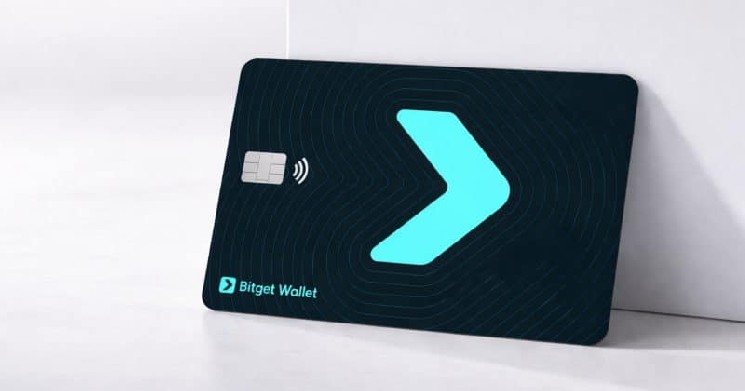
Bitget Wallet has launched the On-Chain Payments Matrix, a global infrastructure layer designed to connect fragmented financial systems and enable stablecoin payments in everyday transactions, cross-border remittances, and new AI-driven commerce.
The system integrates major players such as Ripple, Mastercard, Visa, Tether, Circle, and MoonPay with local banks and payment providers, positioning the network as a bridge between blockchain-based assets and traditional financial rails.
Unlike many industry efforts that focus on back-end payments, Bitget’s infrastructure works on the user and merchant interface. This approach allows stablecoins to function as usable payment instruments rather than being limited to experimental or institutional frameworks.
Bitget said it connects approximately 90 million users and more than 150 million merchants across more than 50 markets. The infrastructure is designed to process more than 155 million transactions totaling more than $177 billion, demonstrating its readiness for high-throughput consumer payments.
The timing reflects accelerated adoption across the sector. Stablecoin trading volume exceeds $33 trillion globally, and spending through cards linked to cryptocurrencies will surge by more than 500% year-on-year in 2025. Payment giants such as Visa and Mastercard are increasingly moving to integrate stablecoin rails, while issuers such as Circle and Tether continue to expand their footprint across global finance.
Bitget Wallet COO Alvin Kan said the industry’s main bottleneck is no longer scale but coordination. He described the on-chain payment matrix as a live system that aggregates fragmented rails and abstracts the complexity of blockchain, allowing stablecoins to operate as de facto currencies for both human users and automated systems.
The platform will expand beyond card payments. We support QR-based payments at millions of merchants in Asia and Latin America and cross-border bank transfers across more than 300 financial institutions in regions including Africa and Latin America.
Looking ahead, Bitget plans to expand its network by adding integrations between payment networks, banks, and stablecoin issuers, while developing a programmable payments infrastructure tailored for AI agents. The company believes that as agent-driven commerce grows, payment infrastructure must support both human and machine participants operating in real-time.
Disclosure: This article was edited by Estefano Gómez. Please see our Editorial Policy for more information on how we create and review content.


