

Japan’s cryptocurrency market may be approaching a critical tipping point, as policymakers consider reforms that would bring digital assets closer to traditional financial products.
Recent talk about Japan’s regulatory framework suggests it may eventually allow Bitcoin exchange-traded funds (ETFs), which many analysts believe will significantly increase institutional investor participation. It is difficult to ignore the possible consequences.
Impact of ETFs on the cryptocurrency market
The introduction of Spot Bitcoin ETFs in the US has changed the market by allowing investors to access Bitcoin through well-known brokerage accounts. With their approval, US-based Bitcoin ETFs have amassed large holdings. According to CryptoQuant data, the combined reserves of both companies, excluding Grayscale’s GBTC, are close to 1 million. $BTC.
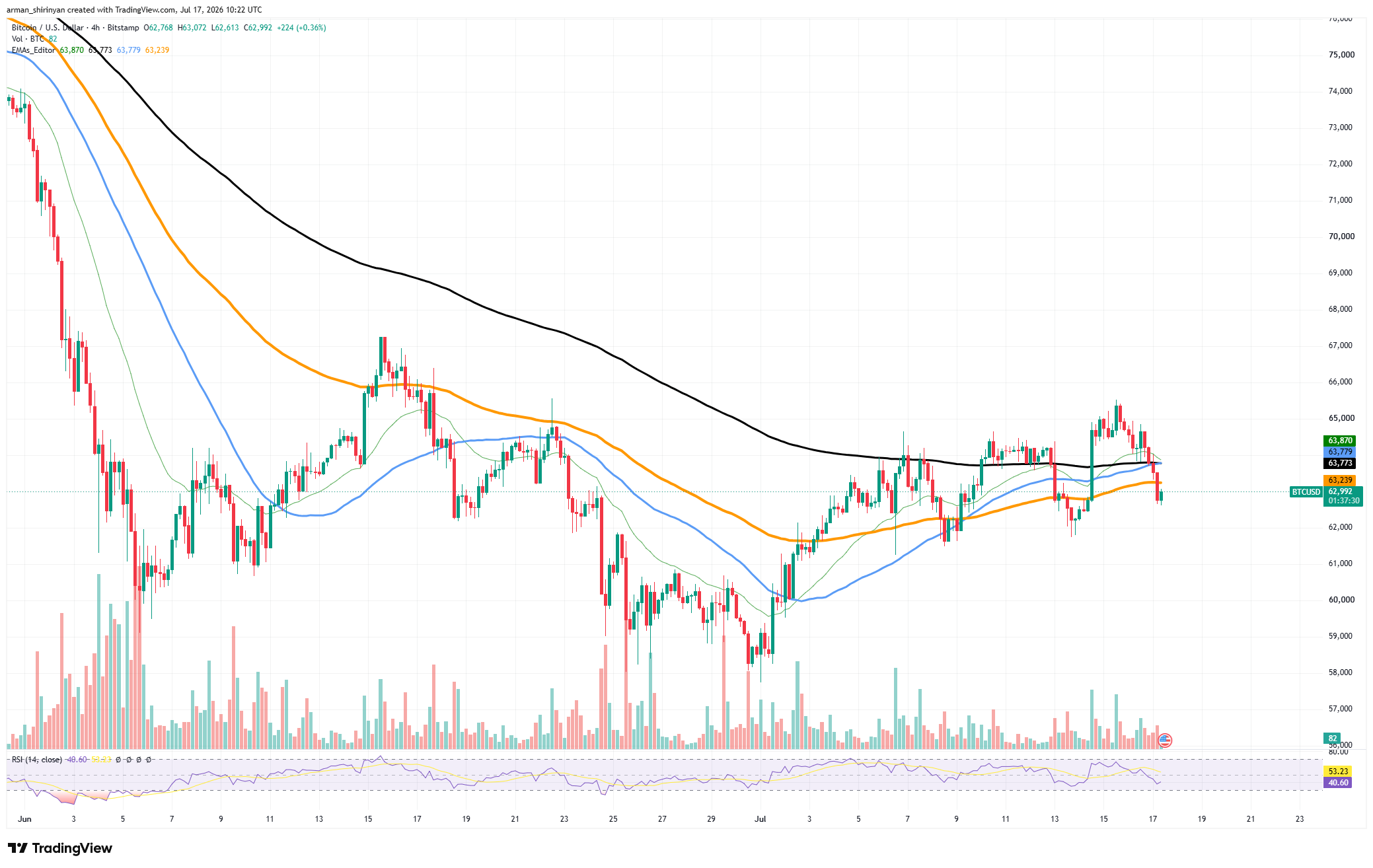
The scale of institutional demand generated by regulated investment products is illustrated in the graph. Most of the holdings are in BlackRock’s IBIT alone, but assets are still being pulled into Fidelity’s FBTC and a number of other funds. Total ETF holdings remain near all-time highs, indicating continued investor interest despite fluctuations in inflows throughout 2026.
Japan is currently evaluating the possibility of modernizing its digital asset sector through similar financial reforms. Market participants argue that pension funds, asset managers and other institutional investors would be more likely to enter the crypto market with more confidence if there were clearer regulations and easier access to investment vehicles such as ETFs.
change the shape of regulation
The timing may be advantageous. Traditional finance is gradually incorporating more digital assets, and many jurisdictions are moving from restrictive to structured regulatory oversight. Regulators are starting to view cryptocurrencies less as a niche industry and more as a developing asset class that requires specific regulation.
If Japan ultimately adopts the strategy laid out by the United States and other important financial hubs, the impact could extend beyond Bitcoin itself. The involvement of more institutions will likely strengthen the market infrastructure, increasing demand and improving liquidity across the larger cryptocurrency ecosystem.
Of course, regulatory approval is not guaranteed. Until now, Japanese authorities have favored careful oversight of digital assets, especially following the high-profile exchange failures. A transition to a Bitcoin ETF will likely require strict compliance regulations and thorough vetting.
However, the debate itself reflects a changing landscape. What once seemed impossible is now being openly discussed at the policy level. Japan’s virtual currency market may enter a new phase characterized by increased institutional involvement and closer ties with international capital markets if Japan decides to pursue additional financial reforms.


