

The tokenized stock market finally has a new entrant, and Robinhood was quick to call it the beginning of a new financial era.
There’s just one problem: the race started a long time ago. Robinhood currently has access to an on-chain market worth approximately $1.24 billion, where three players already control more than 90% of market activity. Robinhood’s market share on day one is zero. That’s not exactly the kind of start-up position a company dreams of.
Leader already owns the truck
Ondo Global Markets holds a strong position in this sector, accounting for approximately half of the market. The platform became the first in the industry to have over $1 billion in total locked-in capital, supports over 260 securities, and has spent two years building payments pilots in collaboration with leading financial institutions.
Next comes xStocks and its distribution machine. The platform, which is backed through partnerships with exchanges such as Kraken and Bybit, boasts around 162,000 holders compared to Ondo’s around 70,000. vMore than $25 billion in transaction value has already passed through the ecosystem.
Meanwhile, Binance’s bStocks business rose from zero to around 14% market share in less than a month, making it one of the fastest expansions in industry history.
Same ticker, different legal realities
Where things get uncomfortable here is that the “AAPL” token doesn’t necessarily imply ownership of Apple stock. Depending on the issuer, investors may hold actual registered shares, a claim on the shares, or simply exposure to price movements.
Robinhood stock tokens fall into the last category. These products are structured as debt securities issued through special purpose vehicles based in Jersey. Holders receive price exposure but no ownership, voting rights, or shareholder protection.
Robinhood’s tokenized stocks face another challenge
That distinction may be more important than the number of tickers listed. Robinhood’s biggest strength remains its app and brand awareness. If distribution becomes a deciding factor, there is a possibility that it will compete with larger exchanges. If the legal structure and protection of ownership gains investor attention, the company will enter the market later than competitors that already operate their products and infrastructure on-chain.
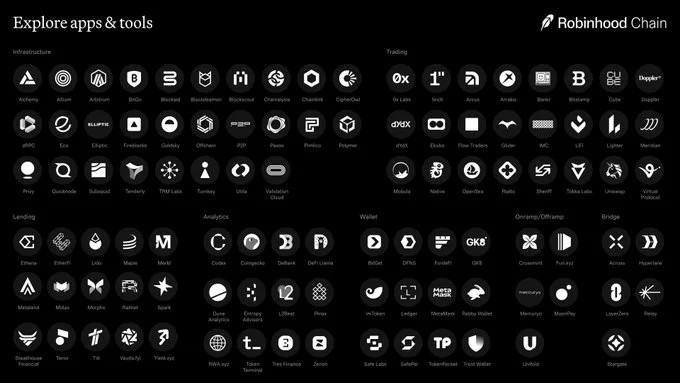
Another question is quietly floating around this announcement. A blockchain with one primary user is not much of an ecosystem. The key metric to watch over the next two quarters may not be a stock listing, but rather whether someone other than Robinhood chooses to anchor the Robinhood chain.
For users, the lesson behind Robinhood’s tokenized stocks is surprisingly simple. Before purchasing a tokenized equity product, it is best to first understand whether the investment will be buying stocks, bonds, or debt with a familiar ticker symbol.


