

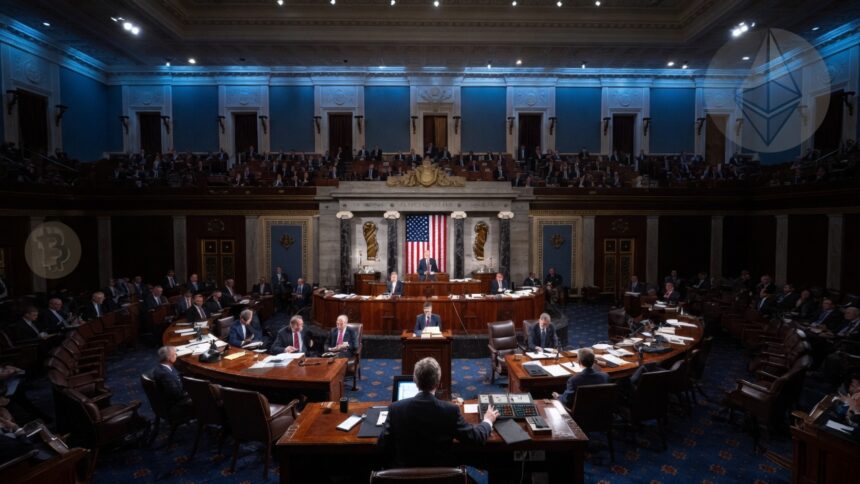
The future regulation of the cryptocurrency market in the US will largely depend on the decisions of the 100 senators who make up the US Senate. Although the Clarification Act already has strong support, final approval will be decided by the full Senate, with 100 senators having the final say.
As reported by CriptoNoticias, the legislation already passed the Senate Banking Committee on May 14th with a vote of 15-9. This will now need to be discussed and voted on at the plenary session. To move forward, we need 60 votes to end the debate (fence) Later, it was approved with a simple majority of 51 votes, but there is no detailed discussion date yet and approval may be postponed until next year.
This mechanism is The fate of an industry that moves hundreds of billions of dollars That will be left in the hands of politicians chosen by the people. The final decision rests with the 100 senators, but two voices stand out strongly in pushing the bill forward.
The project’s lead author, Sen. Cynthia Lummis (R), is one of its most active proponents. Lummis noted that the Clarity Act draws a “clear line” between digital assets that are considered securities (regulated by the Securities and Exchange Commission, SEC) and securities. merchandise This distinction (under the Commodity Futures Trading Commission, CFTC) has been “needed for 10 years,” according to her, which she revealed on her social networks this Thursday.
Meanwhile, Sen. Tim Scott (R) has been particularly active in recent hours. In an interview on Fox Business this morning, Scott emphasized the economic importance of the project to “lower the cost of doing business in the United States” through so-called “blockchain technology” and clear rules around digital assets, while protecting consumers.
Scott pushed Open for voting before summer vacation In fact, the same media reported that over 200 companies in the cryptocurrency industry are under historic pressure to get approval as soon as possible.
Legal certainty in the cryptocurrency industry
The CLARITY Act, at least in theory, seeks to provide: Ensure legal certainty for the sector, foster responsible innovation and prevent corporate flight To a more friendly jurisdiction. It has the support of the aforementioned ecosystem coalition, which includes representatives from Binance, Coinbase, Kraken, and more. However, there are also critical voices within the Senate.
Sen. Elizabeth Warren (D) warned that the legislation was too pro-industry and could jeopardize consumers, investors and the nation’s financial stability.
“Our job is not to advance crypto industry protection legislation that would put American consumers, investors, national security, or the financial system at risk,” the senators declared.
CriptoNoticias recently reported on the progress of this effort and the intense bipartisan pressure to bring it to the floor, highlighting an effort that Lummis described as the result of “blood, sweat, and tears.”
Looking ahead, the next few weeks will be decisive. If the 100 senators manage to reach the required 60 votes before the scheduled recess and the legislation harmonizes with the House version, The Clarity Act could reach President Donald Trump’s desk by the end of the year..
Politicians supporting the bill say that otherwise there will be prolonged regulatory uncertainty that could affect America’s competitiveness in the digital asset space.
(Tag to translate) Cryptocurrency


