


AE Coin and USD Universal are developing a regulated framework for exchange between UAE dirham-denominated and USD-denominated stablecoins, with the aim of supporting institutional payments and treasury operations in the UAE.
The system, provided by Al Maryah Community Bank, is designed as a regulated conversion rail that enables near-instantaneous exchange between the dirham-pegged AE coin and the US dollar-backed USDU within the framework of the UAE payment token.
According to an announcement shared with Cointelegraph, this conversion mechanism is aimed at liquidity management and cross-border payments. Initial access will be provided through Aquanow and Changer.ae, two regulated digital asset service providers operating in the UAE.
USDU is regulated by the Abu Dhabi Global Market Financial Services Regulatory Authority and registered with the UAE Central Bank as a foreign payments token, while AE Coin is licensed by the UAE Central Bank.
The companies said the framework could later be extended to trade finance and multicurrency payment applications, including integration with fintech platforms focused on cross-border payments.
Universal launched USDU in January for institutions and professionals as the first US dollar-backed stablecoin registered under the UAE Payment Token Services regulatory framework. Stablecoins can be used for digital asset-related payments in the UAE, but have not yet been approved for general retail payments in the mainland.
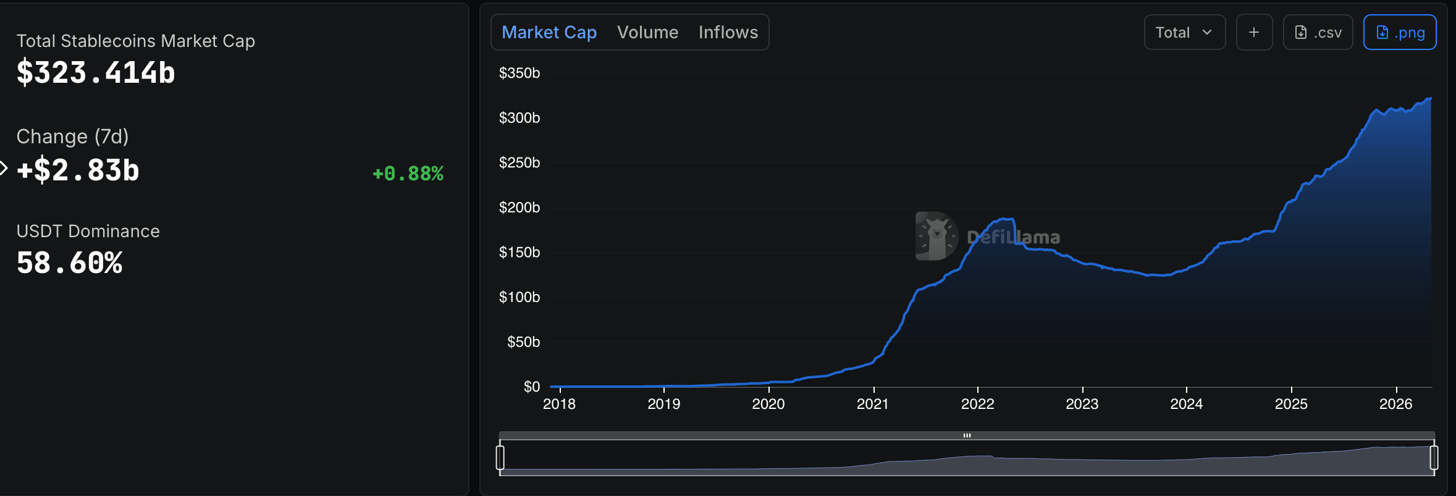
Stablecoin market capitalization. sauce: Defilama
Related: Stablecoin industry opposes Bank of England’s ban on non-hosted wallets
UAE expands blockchain and digital asset infrastructure
The UAE has emerged as one of the fastest growing hubs for crypto companies in recent years, as regulators and policymakers seek to further increase the concentration of blockchain and Web3 companies operating in the region.
As the country continues to expand its blockchain-based financial and business infrastructure, Ras Al Khaimah Free Zone Innovation City this week launched a blockchain-based business identity system for more than 1,000 registered businesses.
Dubai regulators also continue to license cryptocurrency companies and digital asset service providers. In February, Animoca Brands received a virtual asset service provider license from Dubai’s VARA regulator, and digital asset management company BitGo received a broker-dealer license in late 2025.
Binance also rolled out tokenized stocks and exchange-traded funds from Ondo Global Markets through approval in Abu Dhabi this year, and the launch also included tokenized versions of stocks and ETFs related to companies such as Apple and Nvidia.
In March, VARA further expanded its regulatory framework and introduced rules for crypto exchange derivatives trading in Dubai, including leverage limits, suitability requirements, and disclosure standards for licensed platforms offering products.


