

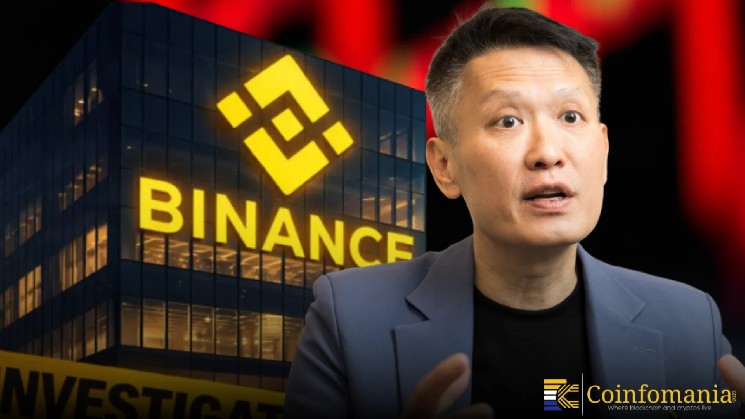
Binance is facing new scrutiny after the cryptocurrency exchange reportedly fired an internal investigator who raised concerns about transactions related to a sanctioned Iranian company, according to a report in the Wall Street Journal. The investigation involved more than $1 billion in transactions and was shut down shortly after the presidential pardon for Binance founder Chao Changpeng, according to the report. In response, Binance CEO Richard Teng strongly denied the accusations, saying:It is false and defamatory. ”
🚨Binance refutes WSJ’s allegations
Binance CEO Richard Teng called the report “false and defamatory” and denied claims that the company fired the investigator over concerns about funds linked to sanctioned Iranian entities. pic.twitter.com/w2m0TJ7KkD
— Coin Bureau (@coinbureau) February 27, 2026
Binance denies WSJ allegations
Richard Teng vehemently refuted that claim. He said Binance did not fire any employees for reporting suspicious activity and maintained that the company follows strict compliance standards. Additionally, Binance threatened legal action and demanded the paper be retracted.
Former employees said internal investigators had identified transactions linked to entities connected to sanctioned regions, including Iran, the WSJ reported. The article claims that Binance later dismantled the internal investigation. However, Teng denied such a story and said the exchange would continue to strive to comply with regulations.
Senate inquiry raises compliance questions
The debate has now reached U.S. lawmakers. US senators have reportedly launched an investigation into Binance’s handling of potential sanctions-related risks involving Iran and Russia. Lawmakers are seeking clarity on exchanges’ internal controls and risk management processes.
The investigation adds to ongoing pressure on the platform, which remains one of the world’s largest cryptocurrency exchanges. Regulators are increasingly focused on how major platforms monitor transactions and enforce sanctions compliance.
Binance’s impact on the cryptocurrency market
The dispute highlights broader concerns about transparency and oversight in the crypto industry. Because Binance dominates global trading volume, questions about its internal controls have affected the entire market.
At the same time, proponents argue that large exchanges often come under intense scrutiny because of their size and influence. But critics argue that strong compliance systems are essential if crypto companies want mainstream acceptance.
As the situation unfolds, the key question is whether Binance can reassure regulators and investors. The results of the Senate investigation and a potential legal battle with the Journal could impact how regulators view crypto compliance in the coming years.


