

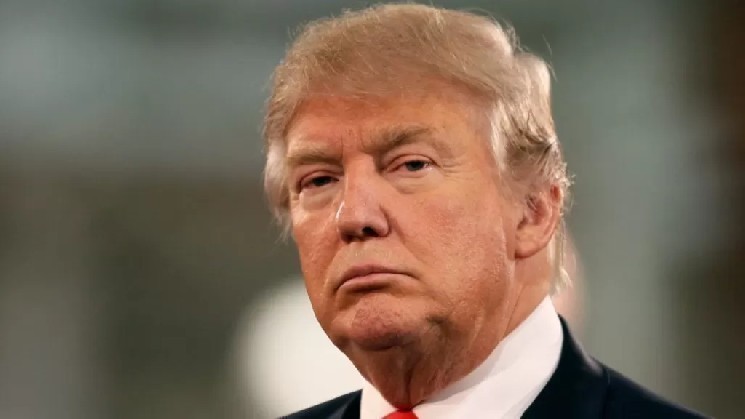
US President Donald Trump is preparing to impose new trade authorities in response to the US Supreme Court’s decision to overturn blanket tariffs.
Two people familiar with the matter said President Trump is considering imposing new broad or all minimum tariffs on U.S. trading partners.
Today’s U.S. Supreme Court decision largely nullifies a key tool President Trump has used in the global trade war. The nullification of tariffs imposed by the president through a broad interpretation of a decades-old law represents a significant setback to the White House’s trade strategy because the law does not explicitly give the president this authority.
Following the decision, the White House has reportedly been preparing for the possibility of cancellation for several months and developing alternative plans. It has been suggested that President Trump may announce new trade authorizations at a press conference scheduled for today, but it has been suggested that plans may change. The White House has not commented on the matter.
One tool the Trump administration is considering is Section 301 of the Trade Act of 1974. This provision gives the U.S. government the power to investigate unfair trade practices and impose tariffs accordingly. During his first term, President Trump imposed tariffs on China based on this provision.
Another option is Section 122 of the Trade Act of 1974. This provision authorizes the president to impose a general basic tariff of up to 15% on all countries to address trade deficits. However, these tariffs are only in effect for up to 150 days unless extended by Congress. Remarkably, Section 122 has never been used by a U.S. president.
Trump’s advisers are considering the option of exercising both powers at the same time, the people said. The plan will specifically focus on countries that have not yet entered into trade agreements with the United States under the Section 301 process.
Although the court’s ruling limited President Trump’s current tariffs, the president still retains broad trade powers. While the scope and timing of potential new tariffs remains uncertain, a new era of uncertainty has begun for the United States’ global trading partners.
*This is not investment advice.


