

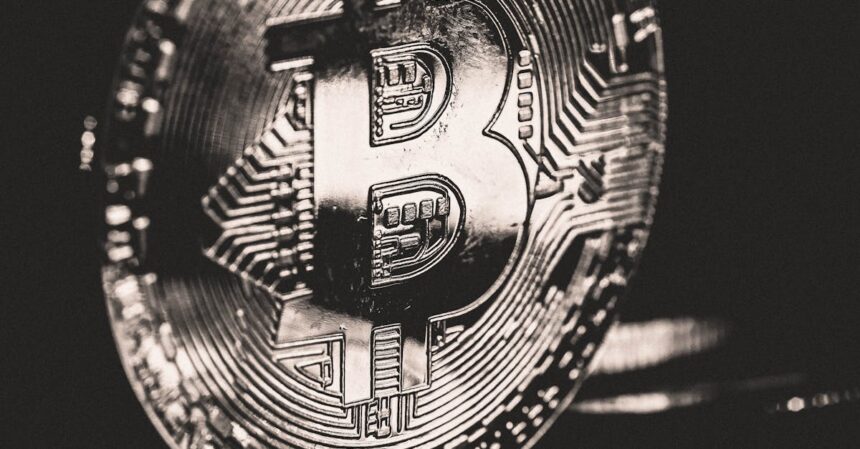

South Korean authorities are under investigation after a large quantity of bitcoins seized during routine inspections went missing. The fact of the loss was revealed when the police confirmed that some of the wallets that had been kept as crime evidence were empty.
According to various reports, the value of the missing bitcoins is about 70 billion won, or about 47.7 to 48 million dollars.
How officials discovered the theft
According to reports, this gap was revealed during a regular audit of digital assets seized by the Gwangju District Prosecutors’ Office.
An internal investigation confirmed the transfer was made from a wallet marked as evidence, and investigators traced the movement back to an external address. The office immediately launched an inquiry to determine how access was lost and whether it could be restored.
Initial findings indicate a phishing scam was the cause. According to local reports, an employee accessed a fraudulent website purporting to be a legitimate service, and the interaction resulted in his password and private keys being exposed.
Once the credentials were captured, the Bitcoin was moved in an irreversible transaction.
Security failure and USB storage
According to the report, some of the access details to the seized assets were kept on portable drives rather than in hardened storage systems.
This practice appears to have made it easier for attackers to obtain keys after a phishing trap was set up. When assets are bearer and the transfer is final, a simple mistake can cost you millions of dollars.
The theft has raised difficult questions about how state agencies handle cryptocurrencies. Some experts say the tools prosecutors use are better suited for private use than government-wide detention.
There is a need for stricter rules, multi-signature setups, and cold storage protocols that don’t rely on easily copied passwords.

Phishing scammers are stepping up their game. Image: Smarter Mortgages
bitcoin tracking
Blockchain records show funds moving through multiple wallets after the initial transfer. While these public traces provide investigators with leads, tracing tokens to their final cash-out point is often slow and requires the cooperation of foreign exchanges and on-chain analytics firms. Authorities are working with outside experts to get a pulse, according to the report.
What are the prosecution doing next?
The Gwangju Prosecutor’s Office announced a full investigation, and officials are working to reconstruct the case step by step.
There are also indications that the case will trigger a review of the country’s procedures for storing seized digital assets. Some lawmakers and legal experts have already called for clearer standards and oversight.
Featured image from Pexels, chart from TradingView
editing process for focuses on providing thoroughly researched, accurate, and unbiased content. We adhere to strict sourcing standards, and each page is diligently reviewed by our team of top technology experts and seasoned editors. This process ensures the integrity, relevance, and value of the content for readers.


